

How to Set Up a Distributed Workforce









arket conditions over recent years created a perfect storm for an already growing eCommerce industry to tighten its grip on retail market share. While physical sales from bricks and mortar stores showed a steady decline, eCommerce peaked at more than $5 trillion in 2021, a 16% increase from $4.2 trillion in 2020.
As more businesses discover they can no longer ignore the lucrative online marketplace, they are more than eager to take advantage of established platforms like Wish, Shein, eBay, Etsy, and Amazon for getting their products in front of more customers.
However, established marketplaces are not the only way to get your goods in front of an online audience. Custom marketplace development offers many opportunities for you to create your eCommerce multi-vendor platform that you control.
This multi-vendor marketplace guide will discuss why you should consider developing a Custom eCommerce Marketplace, the available development options, and how to get started.
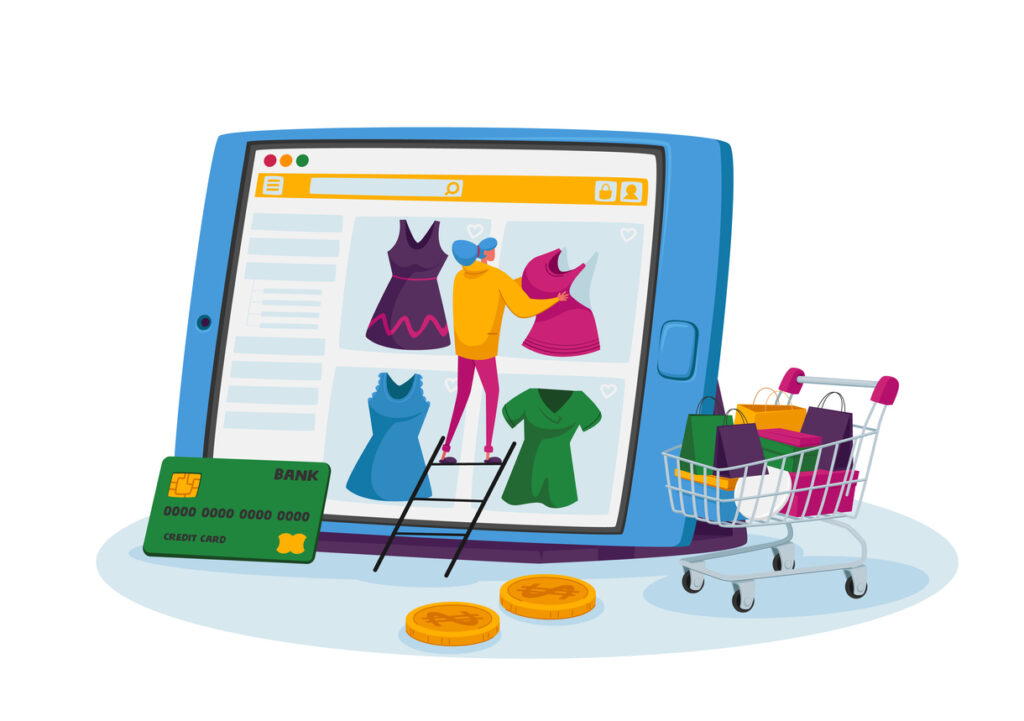
A multi-vendor eCommerce marketplace is the online equivalent of a physical mall where multiple vendors can sell products and services from a single website. A marketplace operator does not own any stock. Instead, they bring vendors together and act as the middleman by connecting buyers with sellers.
In return for bringing buyers and sellers together, the marketplace owner receives a commission from every sale. Sellers gain extra exposure for their brand and access to more online traffic than they could achieve on their own.
How customers shop is evolving, and online purchases feature more and more in consumer spending habits. A multi-vendor eCommerce marketplace creates more options for consumers while also giving them more control over their shopping experience. Here are just a few of the ways an online marketplace can benefit consumers and your business.
Diversify your income strategy: A variety of income strategies become available with a multi-vendor marketplace. For example, you could charge a small commission for every third-party sale, and you can create an extra income stream by charging for a premium listing or for appearing in related products or also bought sections.
Get more and higher-quality customer data: The data collected from every interaction is valuable for determining customer behaviors and identifying trends. High-quality data helps you segment customers more efficiently and improve conversions by delivering a more personalized experience.
Test new products and services: Bringing new brands and products onto the platform offers more opportunities for testing without investing in your own inventory.
Easier to scale: A multi-vendor marketplace is much easier to scale than a single-vendor eCommerce platform, as the need for inventory investment is significantly reduced.
Offer more variety: Today’s consumers crave more options and control over their shopping experience. By bringing on multiple vendors you can increase the amount of variety your marketplace can offer, which will help you reach a wider audience.
An eCommerce marketplace will fit within one of three different models:
A global marketplace caters to an international demographic and sells products from every niche and industry. Amazon is an excellent example of a global marketplace, as it is famous for selling everything to everyone.
A horizontal marketplace is more focused on its product range. While it does cater to many different industries, the products on offer all share some common characteristics. For example, every industry needs office furniture or Amazon’s retail products that ship to your home.
Vertical marketplaces offer specific products to a specialized demographic. There can be many different sources in a vertical marketplace, but only one type of product. Etsy is a good example of a vertical marketplace that caters to the arts and crafts community. UNI Diamonds is another vertical marketplace that sells just one type of product, diamonds, but customers have a wide selection of vendors from which to choose. Also Uber is an example of vertical marketplace, since it only sell ride share.

When you know you are ready to grab your share of the growing eCommerce trade, you will still need to settle on a business model, of which there are three main options:
A dropshipping retailer has an online portal that lists products from many different vendors but does not carry any physical stock. Rather than storing inventory, the order is shipped from another warehouse using the 3rd party seller’s branding.
Dropshipping works through split orders. Third-party sellers purchase in bulk from a manufacturer, but instead of shipping the entire inventory to the third-party seller, a manufacturer will split the order and deliver products directly to a third-party seller’s customers.
A franchisee marketplace model works well for localized selling. Franchisees can come together in a single marketplace to offer goods and services online to a local community. The marketplace owner drives sales and traffic through localized advertising, local SEO, and content creation.
In the retailer marketplace, the operator delivers an online platform where third-party sellers can offer their goods and services. A third-party seller makes the sale, but the product is delivered by another manufacturer, wholesaler, or retailer.

Once you have settled on a business model and chosen whether you want to go global or stay local, your next goal will be to select an eCommerce platform that will suit your goals.
Online businesses are tasked with managing a huge volume of content creation and changes daily. Content-driven experiences are increasingly critical for attracting new leads and prospects to your marketplace.
In a traditional CMS, the frontend, where customers do all their browsing and purchasing, are inextricably entwined with the backend where all the data is processed.
A regular CMS is much easier to set up and deploy than headless or hybrid options. However, they are more complex when scaling the business, or migrating to a different platform. They are also limited in features for integrating third-party content from many different vendors.
A hybrid marketplace includes support for multiple content delivery systems. Your content creation team is free to use whatever CMS they are comfortable with, while developers have the capacity to deliver the content across many different channels.
The headless marketplace decouples the frontend CMS without limiting your ability to publish new content. You can easily reuse content on multiple channels, use any front-end framework to tailor the customer experience, and accept content from multiple vendors without compatibility issues. A headless CMS means you can work your business from a content-first approach because you can use the RESTful API to display it in any way you need.
The eCommerce landscape is always evolving, so having a flexible platform is critical to the survival of a multi-vendor marketplace. Here are just a few advantages you will appreciate when working with a headless marketplace.
You can use whatever programming language you need for the backend and create your presentation layer for the front end without having to worry about compatibility issues. Developers can work faster because they aren’t confined to the typical limitations of a traditional CMS.
A development team can quickly create new functionality on an existing website. For example, let’s say you have created a marketing campaign that uses many different microsites to feature new products or services.
The marketing team can produce and format the content without having to wait for a bunch of new content templates from developers. You are free to manage and change your content at any time across multiple channels.
A headless CMS removes the limits for creating an exceptional customer experience because you no longer have design constraints. Unlike a traditional CMS, where tinkering on the frontend can impact the backend processes, the back end of a headless CMS is not impacted by frontend development. Because they are kept separate, your website visitors will enjoy faster loading times for web pages.
Profiting from the rising popularity of eCommerce will mean you need to carefully consider your approach. Our multi-vendor marketplace guide should help you make an informed choice. The products you sell, the vendors you will partner with, and the demographic you serve will all have an influence on custom marketplace development. If you are ready to get more products in front of more customers, call Towa Software today to learn how to get started.
Towa’s Tech Team provides Nearshore software development services. We’ll streamline the process of developing advanced and customized marketplace solutions for customers. Our top objective is to provide our customers with the means to develop dynamic and user-friendly online marketplaces rapidly.
All of which aids our clientele in attracting more potential customers and converting them into paying customers.
Towa’s Tech Team allows for simplified talent augmentation procedures. Through our Nearshore service, we can connect you with a technical crew that is only a short plane ride away, is in the same time zone as you are, and can communicate with you in your native language.
Talent augmentation for remote engineers allows businesses to realize better economies of scale and, most importantly, greater specialization. With this strategy, companies can focus on what they do best.
Contact us to talk about how Towa can help you.

Towa is a leading firm across the United States and Mexico for software engineering and outsourcing, including QA and testing. We offer from Mexico our over +300 engineers capabilities as nearshore delivery model service offerings.
Towa Software has over 20 years of experience to guarantee the quality of every line of code, we are proud of our products and services delivered. We recommend starting small and building trust with your provider before scaling.
As a leading software development outsourcing company in the USA and Mexico, we have extensive experience in many fields including fintech, banking, payments gateways, e-commerce, retail, marketplaces, health care, Omnichannel, and many more.
You can contact us at support@towasoftware.com or give us a call at +1 (210) 787-4525 for more information.

o, let’s say you’ve settled on creating an online market. You might have the following questions in mind: How to Make an Online Market App Like Etsy, Amazon, or Airbnb a Reality? The next question is, how much does it take to build a thriving online market? What technology stack components should you prioritize when creating your retail platform? Alternatively, what characteristics do your virtual marketplaces require?
Increased usage has led to the rapid expansion of the online marketplace platform. In the United States, internet retail sales reached $504.6 billion in 2018, and they are expected to rise to over $735 billion by 2023. There is no denying the success of the P2P business. As a result, launching one’s online store is gaining popularity.
The typical cost of creating an online marketplace is indeed variable. The entire estimated cost of developing a marketplace website that is likely to generate income is laid out in this article. Identifying the appropriate technology stack is the first step toward creating a successful online marketplace.
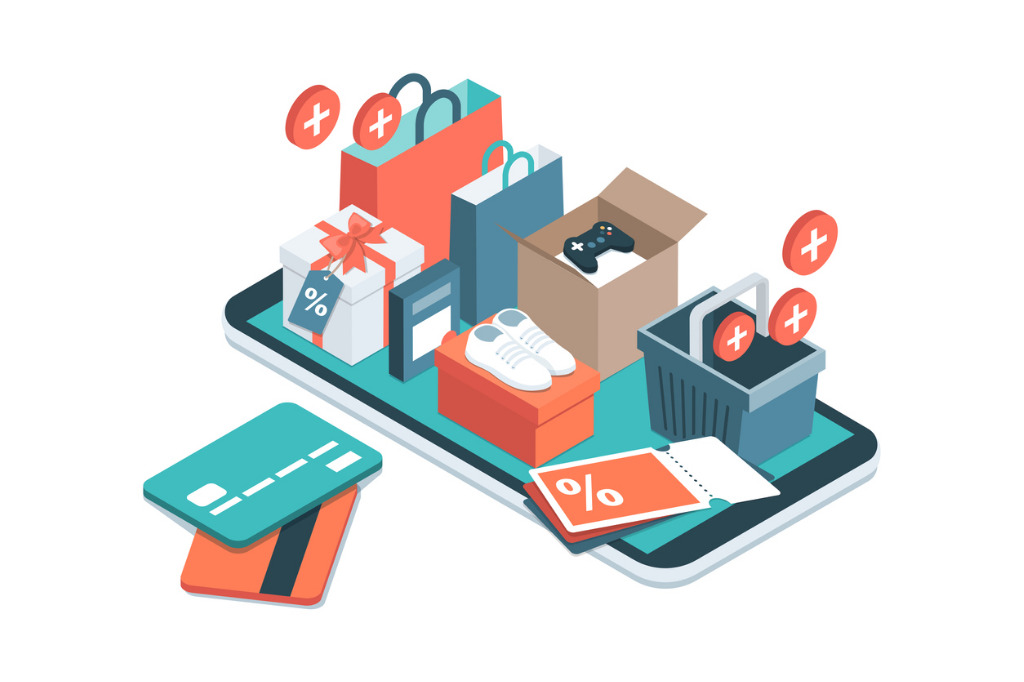
Think about the development environments you’ll be working in when planning a marketplace. To what end is this valuable information for business owners? The performance and maintainability of the application will be affected by the technology stack you choose to use. In a nutshell, slow page loads, scalability issues, and update failures can result from using the incorrect tools.
The price tag for building a marketplace website can fluctuate widely based on the technologies you choose to implement. You should select a framework that will facilitate a rapid app development cycle and release.
The requirements for a given marketplace determine which technologies we employ to develop its website. But, the following technologies are commonly used in our marketplaces:
Frontend
Backend
Integrations
Remember that we only covered the most important frameworks and integrations; in reality, the stack will include even more technologies. If we explore alternative front-end frameworks, we may need to revise the entire technology stack if we explore alternative front-end frameworks (Vue.js, Headless, Amplience CMS).
When a company does talent augmentation, it can focus its efforts on what it does best. That eliminates the need for businesses to spend resources on finding and training in-house software engineers. It is preferable to hire a consulting firm to handle the work. The result is streamlined processes and better financials.
It isn’t easy to put a price on creating an online marketplace without first defining the features that must be included in the final product.
We always advise our clients to maintain a minimum viable product (MVP) in the market first. That way, you can put your theory to the test with little cash outlay. You can expand your platform’s capabilities in the future.
Creating an online marketplace for your goods and services can help you focus your efforts. Keep in mind, too, that first impressions count for a lot. Essential features of a marketplace are presented to aid in developing a functional marketplace.

All participants in an online marketplace must register with identifying information (name, gender, date of birth, email, phone number, etc.) if one is to be established.
Also, allowing consumers to join via social platforms is a convenient way to sign up. Facebook, Linkedin, Google logins auth are also crucial.
Make registration as simple as possible to retain visitors who may become paying clients.
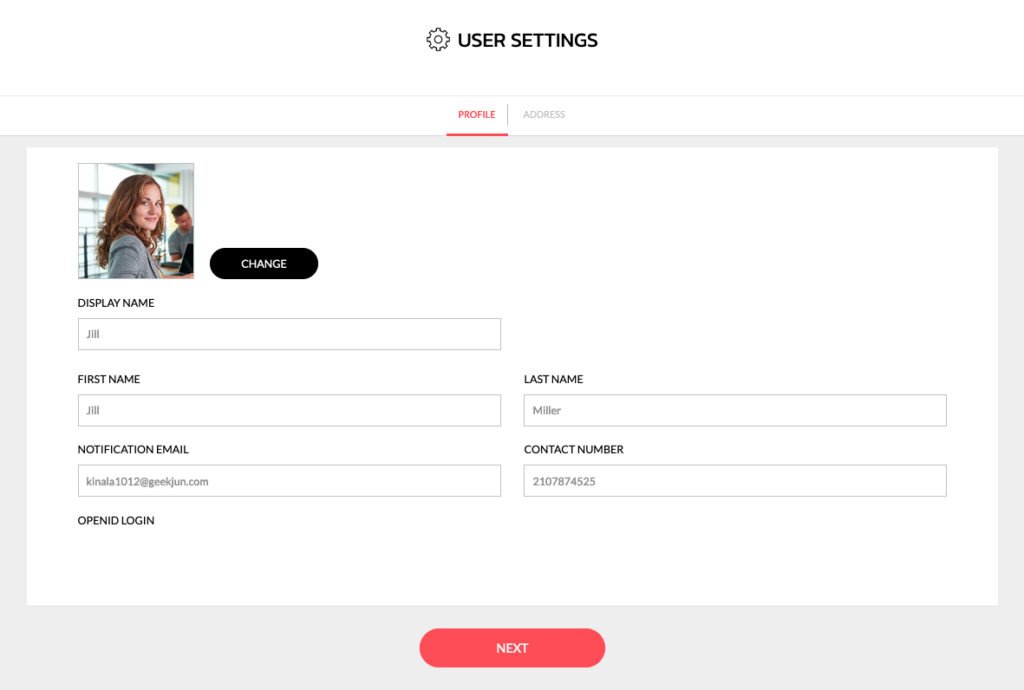
The most valuable users in the marketplace serve in two distinct capacities: as buyers and as sellers. Therefore, accounts must be as complete as possible. Admin should be able to add custom fields as required. For example, users can quickly sign up and view the service provider’s details. Vendors should maintain transparent control over all inventory and listings, stock data and adjust visibility controls as needed.

Making your homepage unique is usually a good idea. Customers universally like a straightforward menu structure. User interface and experience design (UX/UI) should not be neglected. To save you time, here are some pointers for improving the visual appeal of your minimum viable product in online marketplaces:
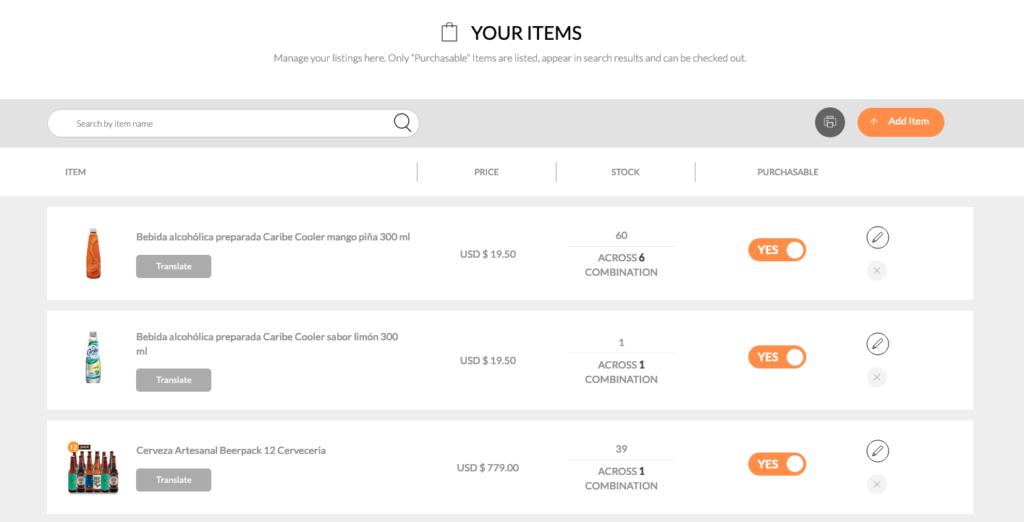
Adding a listing with more detail is a crucial feature for vendors. Customers will have a better overall experience once they arrive at your website, thanks to the curated product catalog you’ve created.
Easily manage to create and update your pricing, product details or service details from a Vendor Portal for an operating seller, having the listings updated is key for success and lot of sales.
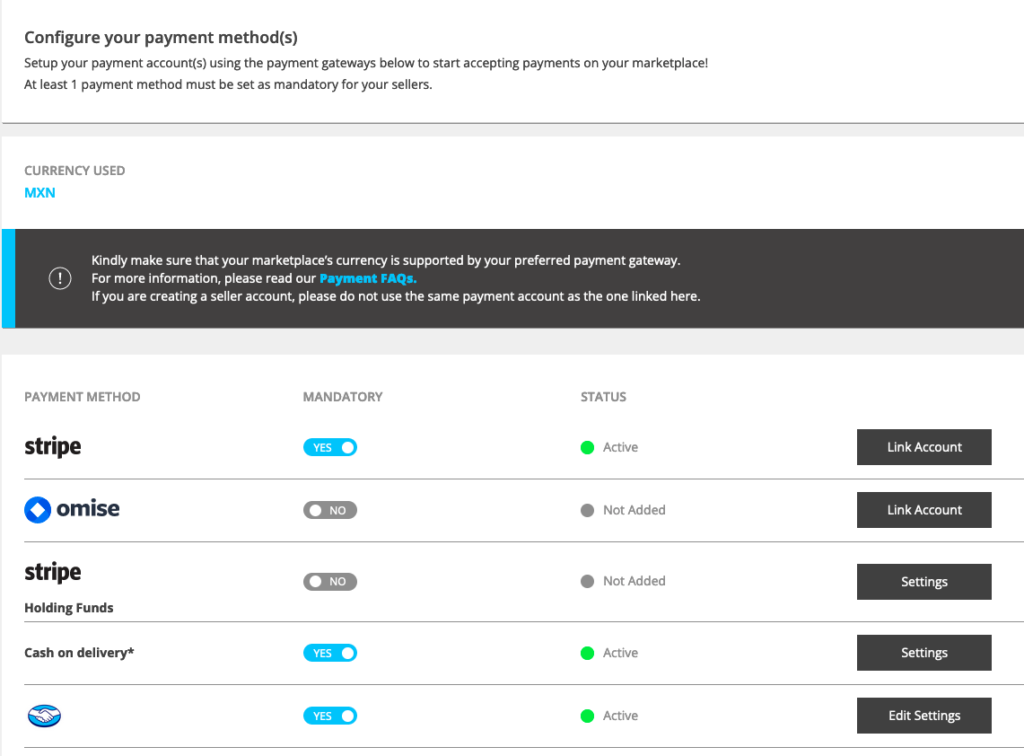
The total amount due is calculated mechanically by the payment system with tax calculation and shipment fees. Customers must be able to view their order summary and payment history. Offering many payment methods is convenient for potential customers. Users of your online marketplace must be able to make purchases using credit cards, Klarna PayPal, Stripe, any other payment processor, or even crypto.
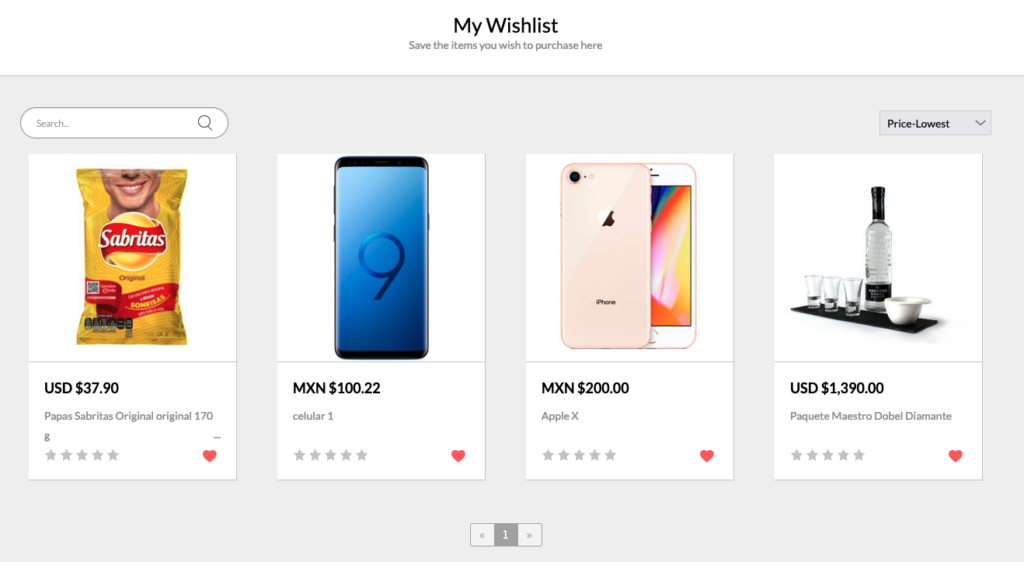
A wishlist where clients can save items they consider buying is a powerful marketing tool. That’s another strategy for making a marketplace website that draws in more visitors. When customers communicate their wish lists to their friends and family, it generates free exposure for your marketplace.
The amount of money put into a marketplace is proportional to the problems it addresses. The amount of money needed to fund its creation depends on several factors. So, let’s examine the components that go into the final price tag of a marketplace website.
At first look, it may seem that once you’ve purchased pre-built software (Sass/Paas), you won’t have to make any further adjustments to your website or spend additional money. But if far from reality, in order to maintain and customize to your business needs you will need to hire someone.
Extra staff members must be hired to implement this program. The cost may also increase as a result of necessary improvements. Not to mention the cost of acquiring the cloud servers required to ensure consistent performance. In addition, customizing a template to fit the logic of your organization can be challenging.
Therefore, making your online marketplace website customizable will take much more time and energy. This could result in a significant increase in both development time and cost.

The cost to develop a marketplace website is proportional to the complexity of the underlying platform. When you present your ideas to a software agency, they will break down the cost of each feature for you.
To launch a thriving marketplace, it is sufficient to implement only the most essential features at the outset. However, don’t forget to factor in all the “extras,” as they will determine how much money it will cost to maintain the website. Be sure to weigh all the options that could lead to more costs down the road. Lastly, be sure that you and your consumers will profit from each feature you intend to implement in your marketplace.
Towa’s Tech Team provides Nearshore software development services. We’ll streamline the process of developing advanced and customized marketplace solutions for customers. Our top objective is to provide our customers with the means to develop dynamic and user-friendly online marketplaces rapidly.
All of which aids our clientele in attracting more potential customers and converting them into paying customers.
Towa’s Tech Team allows for simplified talent augmentation procedures. Through our Nearshore service, we can connect you with a technical crew that is only a short plane ride away, is in the same time zone as you are, and can communicate with you in your native language.
Talent augmentation for remote engineers allows businesses to realize better economies of scale and, most importantly, greater specialization. With this strategy, companies can focus on what they do best.
Contact us to talk about how Towa can help you.
Towa is a leading firm across the United States and Mexico for software engineering and outsourcing, including QA and testing. We offer from Mexico our over +300 engineers capabilities as nearshore delivery model service offerings.
Towa Software has over 20 years of experience to guarantee the quality of every line of code, we are proud of our products and services delivered. We recommend starting small and building trust with your provider before scaling.
As a leading software development outsourcing company in the USA and Mexico, we have extensive experience in many fields including fintech, banking, payments gateways, e-commerce, retail, marketplaces, health care, Omnichannel, and many more.
You can contact us at support@towasoftware.com or give us a call at +1 (210) 787-4525 for more information.

ver the past few decades, there has been a rise in the popularity of outsourcing as a management strategy. Outsourcing remote engineers have become increasingly common due to globalization and digitalization, allowing American businesses to send work to other countries. In recent years, the nearshore outsourcing model has become one of the most well-liked types of outsourcing.
Nearshore outsourcing has many advantages which are used by many businesses. That has allowed them to cut back on overhead and streamline existing procedures, allowing them to devote more time and energy to their most essential tasks.
It entails sending specific tasks to a third-party provider in a country close to the home office. Companies in the United States often outsource work to other countries in Mexico and Latin America.
Nearshore outsourcing has several benefits, like being more convenient due to its proximity, sharing similar culture, sharing the same time zone, etc. In further depth, allow us to investigate these benefits of staff augmentation for remote engineers.

Businesses can gain a lot by staff augmentation of software development work in countries with a developed information technology industry. The following are a few of the main advantages of this type of outsourcing:
When a company does talent augmentation, it can focus its efforts on what it does best. That eliminates the need for businesses to spend resources on finding and training in-house software engineers. It is preferable to hire a consulting firm to handle the work. The result is streamlined processes and better financials.
Nearshore outsourcing improves teamwork in which two companies are located in the same time zone. In this situation, the working hours of different parties often overlap significantly. It facilitates efficient communication without requiring people to work at inconvenient hours.
Businesses can save time and money by outsourcing to nearshore contractors. Outsourcing allows companies to save time by delegating specific tasks to outside contractors. Time to market for products and services is reduced, which is vital for the success of any organization.
To recap, nearshore outsourcing allows businesses to devote more resources to what they do best. What this means for companies is that they concentrate their limited resources on the things that matter the most. Employees are not overworked, and so spared burnout. In a sense, outsourcing frees up time and resources for companies to focus on what matters.

When you nearshore your software development, you can locate a more qualified and committed crew for your projects. The region of Latin America has established itself as a technological powerhouse. It’s risen to prominence as a prime location for nearshore software development. Rather than relying on in-house teams, many American companies have turned to top developers in Latin America.
The Mexican labor force is also notable for its high education, expertise, and experience. Outsourcing software development to our southern neighbor has been synonymous with guaranteed excellence.
Using nearshore outsourcing, companies can use other countries’ infrastructure and technological prowess in addition to the right talent. In this way, American businesses may create high-quality, necessary IT services and products.
When it comes to developing software, high-quality resources are in short supply. The price tag ends up being rather high. But the nearshore outsourcing strategy allows businesses to tap into the extensive worldwide pool of resources and hire at a lesser cost. As a result, companies can more effectively cut their engagement expenses, allowing them to reduce development costs and sell their products to clients at affordable prices.
Nearshore outsourcing centers close to the headquarters of the actual company. That translates to less of a gap between the teams’ schedules due to time zone differences. It allows for simple cooperation between team members and, if necessary, travel.
Nearshore outsourcing’s other major perk is fostering a sense of cultural familiarity between your business and the outsourcing firm. Because of this, communication and collaboration are facilitated by shared linguistic, behavioral, and cultural norms.
Since the time zones are so close together and the languages are so similar, the company and its suppliers can quickly and effectively communicate. The ability to communicate effectively is critical for fostering productive partnerships and increasing the rate of product development.
Businesses that use the offshore model to send work to another country frequently face linguistic and cultural difficulties. The nearshore outsourcing strategy eliminates these distractions and creates a more harmonious office setting.
Canada and the United States have much, not just a common language and culture. Many similarities exist between regional and federal regulations. In this way, trade secrets are easier to safeguard. When politics are stable, businesses can rest easy knowing their investments are safer for the long haul. It will also aid in keeping projects on track and under budget.
The efficiency of your staff will increase thanks to nearshoring. You can, for instance, outsource the management of your back-end development to a team of experts so that you can focus solely on the most critical aspects of the project.
Constant midnight shifts can also lead to burnout for your staff. By using nearshoring, you can increase productivity and employee satisfaction by eliminating or reducing the number of night shifts.
The outsourcing business model is conceived as a means to achieve that end. While it isn’t the driving force behind offshoring or new approaches any longer, it nonetheless carries considerable weight.
The exchange rate is particularly favorable for American enterprises that outsource project development to Latin American countries. The lower value of the local currency relative to the US dollar can translate into less expensive development costs.
Talent augmentation for remote engineers allows businesses to realize better economies of scale and, most importantly, greater specialization. With this strategy, companies can focus on what they do best.
Nearshoring software development is a rapidly growing form of outsourcing due to its many benefits to the software development industry. Nearshoring can be a great option to traditional outsourcing due to its many benefits, including ease of access, greater process control, and fewer linguistic and cultural hurdles.
Every company has different needs and expectations, at Towa, we have been working with Small and Medium size companies providing expert software design and development services so you can create world-class products.
Our nearshore development teams deliver the benefits of tech expertise, bilingual collaboration, time zone alignment, and competitive costs.
Fuel your business with IT experts to speed innovation and increase ROI.
Contact us to talk about how Towa can help you.
Grow or establish your IT teams knowing you’ll achieve your objectives and save money. Towa’s Tech Team helps businesses like yours find qualified bilingual engineers so you may expand your operations. You may not realize how close your software development team of engineers and designers is. Our Nearshore service puts you in touch with a tech team that is only a short flight away, shares your time zone, speaks your language, etc.
It takes a lot of effort and money to hire employees. But, with Towa’s Tech Team, you can streamline the process of talent augmentation. If you want to expand your business, you’ve come to the right place. We charge a blended rate and don’t require any long-term contracts.
Towa is a leading firm across the United States and Mexico for software engineering and outsourcing, including QA and testing. We offer from Mexico our over +300 engineers capabilities as nearshore delivery model service offerings.
Towa Software has over 20 years of experience to guarantee the quality of every line of code, we are proud of our products and services delivered. We recommend starting small and building trust with your provider before scaling.
As a leading software development outsourcing company in the USA and Mexico, we have extensive experience in many fields including fintech, banking, payments gateways, e-commerce, retail, marketplaces, health care, Omnichannel, and many more.
You can contact us at support@towasoftware.com or give us a call at +1 (210) 787-4525 for more information.