

Category: Outsourcing

Young colleagues cooperating while working on a computer in the office.

How to Set Up a Distributed Workforce


Distributed Workforce

The organizations that succeed will be the ones that build it with intentionality

Distributed Workforce

For fast-growing and cost-conscious companies

Simply repackaging old habits into digital formats won’t cut it. The future belongs to those willing to rethink everything, from meeting structures to performance metrics, with clarity and purpose.

How to Set Up a Distributed Workforce:

Embracing Intentional Design


The world of work has undergone a seismic shift, with distributed workforces becoming the new norm. But simply scattering teams across locations isn’t enough—success hinges on intentional design. Here’s how organizations can thoughtfully set up a distributed workforce for long-term productivity and engagement.

Agile software development approach

Start With Purposeful Planning

Intentional design begins with a clear understanding of why you’re going distributed. Is it for access to global talent, cost savings, or employee flexibility? Define your goals up front to guide every decision that follows.

Design Communication Flows, Not Just Tools

Distributed work thrives on seamless communication. Instead of relying solely on digital tools, map out how information should flow within your organization. Identify key communication channels, establish norms for meetings, and ensure transparency in decision-making. Planning information flow from the start prevents miscommunication, duplicate work, and project delays.

Kanban software development approach
Scaled Agile Framework

Build Trust and Flexibility Into the Culture

A distributed workforce requires a shift in the workplace contract. Trust, flexibility, and choice become foundational (autonomy). Empower employees to manage their own schedules and locations, while providing the digital infrastructure they need to stay connected and productive.

Rethink Collaboration Spaces

Physical offices are no longer the default. Instead, design a blend of digital and occasional physical spaces that support collaboration, creativity, and social connection. Mixed reality and other collaborative technologies can help bridge the gap between remote and in-person teams, fostering a sense of presence and shared purpose.

Lean Software Development approach
Extreme Programming (XP) software development approach

Prioritize Employee Wellbeing and Belonging

Intentional design means considering the holistic experience of distributed employees. Create opportunities for informal interaction, mentorship, and professional growth. Regularly check in on well-being and ensure every team member feels included, regardless of location.

Continuously Iterate and Improve

The distributed workforce landscape is dynamic. Gather feedback, measure outcomes, and be ready to adapt your design as needs evolve. Treat your distributed work strategy as a living system, always open to improvement.

Nearshore Specialized Tech Teams aqnd Business Requirement Analysis

Transform The Work Environment

Transforming the future will require a reinvention of how, where, and when we work – a new workplace model, Motivation 3.0, as well as a new workplace contract between employer and employee. Employers must ensure trust, flexibility, and choice, as well as the highest quality experience.

In Summary

Setting up a distributed workforce isn’t just about technology or policy—it’s about intentional intrinsic design. By planning communication, building trust (autonomy), rethinking collaboration, and prioritizing well-being, organizations can unlock the full potential of distributed teams and shape the future of work.

Let's talk

Professional Advice: When considering a nearshore outsourcing partner, always ask for examples of past projects that demonstrate their commitment to software quality. Talk with their current customers, and ask for use cases similar to your company’s competitive landscape, all that can give you the confidence you need to make the right decision for your business.

Methodology: Choose the Right Software Development Approach for Your Organization

Methodology Matters:

Choose the Right Software Development Approach for Your Organization

software development methodologies

Software Development Approaches

Welcome to our comprehensive exploration of software development methodologies for technical leaders and practitioners. This guide examines established approaches that organizations employ to structure their development processes, with evidence-based examples from industry implementations. We’ll analyze the strengths and limitations of each methodology to help you determine which framework might best align with your organizational requirements and team dynamics.

Agile Methodologies

Agile methodologies represent an adaptive approach to software development that emphasizes flexibility, customer collaboration, and rapid delivery of functional software. Born from the Agile Manifesto in 2001, these methodologies emerged as a response to the limitations of traditional development approaches.

Agile software development approach

Scrum

  • Iterative approach with 2-4 week sprints
  • Key roles: Product Owner, Scrum Master, Development Team
  • Ceremonies: Sprint Planning, Daily Standups, Sprint Review, Sprint Retrospective
  • Artifacts: Product Backlog, Sprint Backlog, Increment
  • Example: Spotify uses a modified Scrum approach with “squads” (Scrum teams) organized into “tribes” for product development, allowing them to quickly iterate on features and respond to user feedback for their streaming platform.
  • Source: Kniberg, H., & Ivarsson, A. (2012). Scaling Agile @ Spotify with Tribes, Squads, Chapters & Guilds. Spotify Engineering Blog.

Kanban

  • Continuous delivery focused on flow of work
  • Visualizes workflow on Kanban board with columns (To Do, In Progress, Done)
  • Limits work in progress (WIP) to prevent bottlenecks
  • Continuous improvement without fixed iterations
  • Example: Microsoft’s Azure DevOps team uses Kanban to manage their service updates and bug fixes, allowing them to respond to critical issues immediately while maintaining a steady flow of feature development.
  • Source: Banfield, R., Lombardo, C. T., & Wax, T. (2015). Design Sprint: A Practical Guidebook for Building Great Digital Products. O’Reilly Media.
Kanban software development approach
Extreme Programming (XP) software development approach

Extreme Programming (XP

  • Focus on technical excellence and quality
  • Practices: Pair programming, Test-Driven Development, Continuous Integration
  • Short development cycles with frequent releases
  • Emphasizes customer involvement and feedback
  • Example: Pivotal Labs implements XP practices like pair programming and TDD for client projects, which has helped them maintain high code quality while developing complex applications for companies like Twitter in their early days.
  • Source: Beck, K., & Andres, C. (2004). Extreme Programming Explained: Embrace Change (2nd Edition). Addison-Wesley Professional.

Lean Software Development

  • Derived from Toyota Production System
  • Principles: Eliminate waste, amplify learning, decide late, deliver fast
  • Focus on creating value and reducing non-value activities
  • Uses value stream mapping to identify inefficiencies
  • Example: Intuit (maker of TurboTax and QuickBooks) applies Lean principles to eliminate waste in their development process, enabling them to deliver faster updates while maintaining quality through techniques like A/B testing and customer feedback loops.
  • Source: Poppendieck, M., & Poppendieck, T. (2003). Lean Software Development: An Agile Toolkit. Addison-Wesley Professional.
Lean Software Development approach

Traditional Methodologies

Traditional methodologies originated in manufacturing and engineering industries, where structured, sequential processes were essential for efficiency and quality control. The Waterfall model, one of the earliest formalized approaches, was introduced in 1970 by Dr. Winston W. Royce as a way to manage software development with clear, linear phases like planning, design, implementation, testing, and maintenance. These methods emphasize predictability, documentation, and rigorous upfront planning, making them ideal for projects with stable requirements. 🏗️📊

Waterfall software development approach

Waterfall

  • Sequential, linear approach
  • Distinct phases: Requirements, Design, Implementation, Verification, Maintenance
  • Each phase must be completed before moving to the next
  • More suitable for projects with well-defined requirements
  • Example: NASA used Waterfall methodology for the Space Shuttle software development, where requirements were extremely well-defined and changes during development could have catastrophic consequences. The approach led to incredibly reliable software with a defect rate of less than 0.1 errors per 1,000 lines of code.
  • Source: Fishman, C. (1996). They Write the Right Stuff. Fast Company Magazine, Issue 6.

Spiral Mode

  • Combines iterative development with systematic aspects of waterfall
  • Four phases: Planning, Risk Analysis, Engineering, Evaluation
  • Risk-driven approach that emphasizes risk assessment
  • Suitable for large, complex systems
  • Example: The Windows operating system development at Microsoft has historically used aspects of the Spiral model, particularly in earlier versions, allowing them to address risks early while developing a complex software system through multiple iterations.
  • Source: Boehm, B. W. (1988). A Spiral Model of Software Development and Enhancement. IEEE Computer, 21(5), 61-72.
Spiral Model software development approach
V-Model software development approach

V-Model

  • Extension of waterfall with corresponding testing phase for each development stage
  • Emphasizes verification and validation activities
  • Testing is planned in parallel with development activities
  • Higher success rate than traditional waterfall
  • Example: Siemens uses the V-Model for medical device software development, where validation and verification are crucial for regulatory compliance and patient safety. Each design phase has a corresponding testing phase to ensure requirements are met.
  • Source: International Medical Device Regulators Forum. (2015). Software as a Medical Device (SaMD): Clinical Evaluation. IMDRF/SaMD WG/N41FINAL:2015.

Scaling Frameworks

Scaling frameworks originated from the need to extend Agile methodologies beyond small teams to large enterprises. As Agile gained popularity in the early 2000s, organizations faced challenges in coordinating multiple teams while maintaining agility. Frameworks like SAFe (Scaled Agile Framework), LeSS (Large-Scale Scrum), and Spotify’s Model emerged to provide structured approaches for scaling Agile across departments and business units, ensuring alignment, collaboration, and efficiency at scale. 🚀📈

Scaled Agile Framework

SAFe (Scaled Agile Framework)

  • Framework for implementing agile practices at enterprise scale
  • Multiple configurations: Essential, Large Solution, Portfolio, Full
  • Organizes work in Agile Release Trains (ARTs)
  • Includes concepts like Program Increment (PI) Planning
  • Example: Cisco implemented SAFe to coordinate work across 800+ teams worldwide. They organize quarterly Program Increment planning sessions where teams align on priorities and dependencies, resulting in faster time-to-market for their networking products.
  • Source: Scaled Agile, Inc. (2019). Cisco Case Study. Scaled Agile Framework.

LeSS (Large-Scale Scrum)

  • Framework for scaling Scrum to multiple teams
  • Two variations: LeSS (2-8 teams) and LeSS Huge (8+ teams)
  • Single Product Owner, multiple teams working on same Product Backlog
  • Emphasizes feature teams over component teams
  • Example: J.P. Morgan Chase adopted LeSS for their trading systems development, enabling multiple teams to work on the same product backlog while maintaining a coherent architecture and reducing coordination overhead.
  • Source: Larman, C., & Vodde, B. (2016). Large-Scale Scrum: More with LeSS. Addison-Wesley Professional.
Large-Scale Scrum
Nexus software development approach

Nexus

  • Developed by Scrum.org for scaling Scrum
  • Integration team coordinates 3-9 Scrum teams
  • Introduces Nexus Sprint Planning, Nexus Daily Scrum, Nexus Sprint Review
  • Focuses on integration challenges across teams
  • Example: Schlumberger, an oil and gas technology company, has used Nexus to coordinate the development of their digital platform across multiple Scrum teams, with a Nexus Integration Team ensuring that integration issues are identified and resolved quickly.
  • Source: Schwaber, K. (2015). Nexus Guide: The Definitive Guide to Scaling Scrum with Nexus. Scrum.org.

Disciplined Agile (DA)

  • Hybrid approach that combines elements from multiple methodologies
  • Context-driven, not prescriptive
  • Organized around process goals rather than specific practices
  • Allows teams to choose their way of working
  • Example: IBM has implemented Disciplined Agile across various business units, allowing teams to tailor their processes based on their specific context while maintaining enterprise governance. This flexibility helped them during their large-scale digital transformation.
  • Source: Ambler, S. W., & Lines, M. (2020). Choose Your WoW!: A Disciplined Agile Delivery Handbook for Optimizing Your Way of Working. Project Management Institute.
Disciplined Agile software development approach

Development Frameworks and Approaches

Development frameworks and approaches like DevOps, DevSecOps, FDD (Feature-Driven Development), and BDD (Behavior-Driven Development) emerged to improve software delivery speed, collaboration, and quality. Each approach was developed to address specific challenges in software development, security, and collaboration, shaping modern engineering practices. 🚀

DevOps approach software development

DevOps

  • Cultural and technical practice that unifies development and operations
  • Key practices: CI/CD, infrastructure as code, monitoring, automation
  • Focus on shorter development cycles and reliable delivery
  • Tools ecosystem includes Git, Jenkins, Docker, Kubernetes
  • Example: Netflix has built a sophisticated DevOps culture that enables them to deploy thousands of changes to production daily. Their Chaos Monkey tool deliberately introduces failures to test system resilience, ensuring their streaming service remains reliable despite constant updates.
  • Source: Humble, J., & Farley, D. (2010). Continuous Delivery: Reliable Software Releases through Build, Test, and Deployment Automation. Addison-Wesley Professional.

DevSecOps

  • Integrates security practices into DevOps process
  • “Shift left” approach to security testing
  • Automated security validation and compliance
  • Security as a shared responsibility
  • Example: Capital One implemented DevSecOps practices to integrate security into their development pipeline, using automated security scanning tools that run with each code commit. This approach helped them identify and address vulnerabilities earlier, reducing security incidents while maintaining rapid deployment.
  • Source: Myrbakken, H., & Colomo-Palacios, R. (2017). DevSecOps: A Multivocal Literature Review. In Software Process Improvement and Capability Determination (pp. 17-29). Springer.
DevSecOps security practices
Feature-Driven Development

Feature-Driven Development (FDD)

  • Model-driven, short-iteration process
  • Five main activities: Develop overall model, build feature list, plan by feature, design by feature, build by feature
  • Feature teams organized around feature sets
  • Regular builds and progress tracking
  • Example: Danske Bank used FDD to develop their mobile banking application, organizing work around customer-centric features. This approach helped them prioritize features that delivered the most value to customers while maintaining a consistent domain model.
  • Source: Palmer, S. R., & Felsing, J. M. (2002). A Practical Guide to Feature-Driven Development. Prentice Hall.

Behavior-Driven Development (BDD)

  • Extension of Test-Driven Development
  • Uses natural language constructs to express behaviors and expected outcomes
  • Bridges communication gap between technical and non-technical stakeholders
  • Tools like Cucumber, SpecFlow implement Gherkin syntax for specifications
  • Example: The Guardian newspaper uses BDD for their website development, with product owners writing acceptance criteria in Gherkin syntax (Given-When-Then format). This approach has improved communication between business and technical teams, ensuring that developers build exactly what the business needs.
  • Source: North, D. (2006). Introducing BDD. Better Software Magazine.
Behavior-Driven Development

Process-Oriented Methodologies

Process-Oriented Methodologies, like Personal Software Process (PSP) and Team Software Process (TSP), were developed by Watts Humphrey at Carnegie Mellon University to improve software quality and team productivity. 🚀📊

PSP Personal Software Process

PSP (Personal Software Process)

  • Developed by Watts Humphrey at the Software Engineering Institute (SEI)
  • Structured framework for individual developers to improve personal productivity and code quality
  • Emphasizes data collection, measurement, and continuous improvement
  • Progressive learning path with increasing levels of sophistication (PSP0 to PSP3)
  • Key components: Time tracking, defect logging, size and effort estimation, code reviews, quality management
  • Example: Tata Consultancy Services (TCS) implemented PSP training for their developers, resulting in significant quality improvements. Engineers who adopted PSP practices reduced defect rates by over 75% and improved estimation accuracy. The structured approach to tracking time, defects, and size helped individual developers better understand their performance and systematically improve their work.
  • Source: Humphrey, W. S. (2005). PSP: A Self-Improvement Process for Software Engineers. Addison-Wesley Professional.

TSP (Team Software Process)

  • Extension of PSP principles to the team level
  • Provides a framework for building and managing high-performance software teams
  • Emphasizes self-directed teams with defined roles and responsibilities
  • Includes detailed launch process and regular checkpoints
  • Key components: Team launch and role assignment, detailed planning, quality management system, risk management, weekly team meetings
  • Example: Microsoft’s Windows Embedded team adopted TSP for firmware development, resulting in a 40% reduction in system test defects and improved schedule predictability. The team used TSP’s structured launch process to establish clear roles and create detailed plans. The emphasis on quality management through inspections and peer reviews helped catch defects early in the development process, significantly reducing testing and maintenance costs.
  • Source: Humphrey, W. S. (2006). TSP: Leading a Development Team. Addison-Wesley Professional.
TSP Team Software Process
Combined PSP/TSP Implementation

Combined PSP/TSP Implementation

  • Example: Adobe Systems implemented both PSP and TSP for their Photoshop development, achieving near zero-defect releases. Developers first learned to track their own work through PSP, then formed TSP teams with clear roles. The structured approach to planning, estimation, and quality management helped them deliver complex features with significantly fewer defects and more predictable schedules compared to their previous development process.
  • Source: Wall, D. S., McHale, J., & Pomeroy-Huff, M. (2005). Case Study: Accelerating Process Improvement by Integrating the TSP and CMMI. Software Engineering Institute, Carnegie Mellon University.

Finding Your Right Approach

Let’s be real – there’s no magical one-size-fits-all solution when it comes to software development methodologies. What works brilliantly for a Silicon Valley startup might fall flat in a highly regulated financial institution. The “best” methodology depends on a complex interplay of factors: your company culture, team size and distribution, technical stack, regulatory requirements, and even the personalities of your team members.

Some organizations thrive with the structure and predictability of traditional approaches, while others flourish with the adaptability of agile methods. Many successful companies are embracing hybrid approaches, cherry-picking the most valuable practices from different methodologies to create something uniquely tailored to their needs.

Software development methodologies

The Bottom Line

The most important thing is to be intentional about your process and willing to adapt as you learn. Remember, methodologies are tools to serve your goals, not rigid dogmas to follow blindly. Your development process should evolve as your organization grows and your needs change.

Want to figure out which approach might work best for your unique situation? Let’s chat! We’d love to discuss your current state, assess your process maturity, and help you chart a path forward that aligns with your software development goals and business ambitions. Whether you’re looking to speed up delivery, improve quality, enhance team collaboration, or all of the above – we’ve got insights and experience to share. Drop us a line, and let’s start the conversation about transforming your software development journey!

Professional Advice: When considering a nearshore outsourcing partner, always ask for examples of past projects that demonstrate their commitment to software quality. Talk with their current customers, and ask for use cases similar to your company’s competitive landscape, all that can give you the confidence you need to make the right decision for your business.

Team of programmers working on new project.They working late at night at the office.

Traditional Outsourcing is Death: Why Innovative Companies Are Switching to Staff Augmentation

Traditional Outsourcing is Death:

Why Innovative Companies Are Switching to Staff Augmentation

Imagine hiring a developer who works directly with your team, shares your company culture, and feels like a true employee – except they’re cross-border in México or Central America, in your same timezone (Pacific to Eastern), and costs 60% less.

Sounds too good to be true? 

This is the reality of modern staff augmentation services, and it’s revolutionizing how companies build and scale top-performing distributed teams.

Traditional outsourcing is death, and there’s a better way to grow your teams while reducing risk.

Want to learn something?

You’ll learn how companies are building successfully integrated teams, the truth about talent availability in emerging markets, and quick tips for making global hiring work for your business.

Plus, I will share some incredible insights about how Mexico is transforming from a labor market to a knowledge market and is the residence of high-skilled talent.

The Problem with Traditional Outsourcing

Traditional outsourcing is broken. I’ve seen it firsthand through my experience building Towa and CWS, a previous company.

When companies use traditional outsourcing, they write up requirements, hand them to an IT vendor, and hope for the best. The vendor acts as a black box – you never really know who’s working on your project or if they’re the people they claim to be.

This creates a massive disconnect between your team and the developers.

The Staff Augmentation Advantage

Staff augmentation fixes these fundamental problems by making nearshore developers true members of your team.

At Towa, we discovered that the key to success is direct integration. Our developers use tools like Jira, Trello, Slack, Microsoft Teams, and email. They attend every standup meeting and collaborate directly with the customer and the rest of the team.

They’re not hidden behind project managers or account executives.

Why Project Managers Shouldn't Be Middlemen

Here’s a counterintuitive truth: having project managers act as middlemen reduces productivity.

Some companies force all communication to go through project managers. This creates bottlenecks and prevents real relationships from forming between teams.

Instead, we add product managers as enablers, not barriers. They help with critical thinking, roadmaps, planning, and schedules – but they never block direct communication between the client and the engineers.

Building Long-Term Relationships

The real magic happens when you treat external engineers like inside employees, not temporary contractors.

In my experience building Towa, some of our clients have worked with the same engineering teams for over six years. This longevity creates deep organizational knowledge and strong interpersonal relationships.

This is impossible with traditional outsourcing where engineers often come and go without warning.

Security and IP Protection

One of the biggest concerns with traditional outsourcing is intellectual property protection.

Staff augmentation through a US-based company provides clear legal frameworks for IP protection. At Towa, we conduct background checks on all our employees based in Mexico. Your IP is always yours and is secure with us with best industry practices.

This gives our clients peace of mind that their code and intellectual property are protected.

The Cost-Benefit Reality

Traditional outsourcing often seems cheaper on paper. But when you factor in the hidden costs of miscommunication, turnover, quality issues, handoff, and knowledge transfer, then the comparison is clear, the staff augmentation model is better suited. 

For example, one of our clients at BristolPay was able to hire 2 Software Engineers for the price of one US-based developer. The key value? These engineers became long-term team members of the company who understood the culture, vision, and product.

Making the Transition

Transitioning from traditional outsourcing to staff augmentation requires a shift in mindset. 

Here’s what you need to know:

The old model of throwing requirements over the wall to an offshore team is in the past. Innovative companies need integrated distributed global teams that work together seamlessly.

The Bottom Line

Traditional outsourcing might work for simple, isolated tasks. But if you’re building complex software or want to scale your team effectively, staff augmentation is a much better model.

It’s not just about saving money – it’s about building a more effective, integrated, and scalable team of people with the same mission and culture.

I’ve seen this transformation firsthand at Towa, where our clients report higher satisfaction and better results compared to their previous outsourcing experiences: happy stories and good relationships that last long-term, not troubled ones.

The future of global hiring isn’t about outsourcing work offshore– it’s about augmenting your team with talented professionals who just happen to work cross-border in the same time zones as you.

Are you ready to move beyond traditional outsourcing? Let’s talk about how staff augmentation could transform your team’s productivity.

Nearshore staff augmentation can be an effective strategy for delivering high-quality products.

Professional Advice: When considering a nearshore outsourcing partner, always ask for examples of past projects that demonstrate their commitment to software quality. Talk with their current customers, and ask for use cases similar to your company’s competitive landscape, all that can give you the confidence you need to make the right decision for your business.

Vector digital green background of streaming binary code. Matrix background with numbers 1.0. Coding or hacking concept. Vector illustration.

Why Software Engineering Quality Matters

Why Software Engineering Quality Matters:

Ensuring Long-Term Success in Nearshore Software Outsourcing

In the world of software development, success is often measured by two key factors: delivering a project on time and within budget. However, meeting these goals without ensuring the quality of the product can be a recipe for future headaches. Business owners, C-level executives, and VPs of Software Engineering know that high-quality software is not just about functionality—it’s about reliability, scalability, maintainability, and security.
As more companies with internal IT projects seek to outsource software engineering services, the importance of software engineering quality becomes even more critical. Nearshore outsourcing offers the right blend of talent, time zone convenience, and cultural alignment.
However the key differentiator for success lies in the quality of the software produced.

The Real Impact of Software Quality

Quality in software development isn’t just a buzzword; it’s a business imperative. Below are some of the key reasons why software quality matters:

Minimizing Technical Debt

Technical debt is the cost of additional rework caused by choosing an easy (but limited) solution now instead of a better approach that would take longer. Poor-quality software leads to higher technical debt, resulting in costly fixes, delays, and possible project failure down the road.

Enhancing User Experience

Whether the end-users of your software are customers or internal employees, a seamless user experience is essential. Poorly developed software often leads to glitches, frustrating workflows, and lower productivity or customer satisfaction.

Ensuring Security and Compliance

With increasing data breaches and stricter regulations across industries, the importance of secure software cannot be overstated. A focus on quality ensures robust security features are built into the code, minimizing vulnerabilities and compliance risks.

Supporting Scalability

As your company grows, so will the demands on your software. High-quality code ensures that your software is built to scale, supporting future expansion without requiring a major overhaul.
Distributed Workforce

Reducing Long-Term Costs

Although high-quality software might have a higher initial development cost, it saves businesses money in the long run by reducing the need for constant bug fixes, rework, and performance issues.

Leading Financial Tech Company Scales Through Quality Development

One of the top challenges for any company in the Fintech space is scalability. A leading financial tech company found in Towa Software the right partner to build agile teams to develop a complex software solution to support their rapid growth.

The company was facing issues with its existing development team’s ability to scale with quality, which resulted in delayed project timelines and performance bottlenecks.
Towa Software provided a team of nearshore developers who rapidly integrated into the company’s processes and delivered a scalable, high-performance software solution. The development process emphasized quality at every stage—from the architecture to the final product release. As a result, the Fintech company was able to:
This case demonstrates the critical role quality plays in ensuring that software solutions remain efficient and scalable as a business evolves.

Innovative Retail Platform Achieves Reliability and Security

Another successful collaboration involved an innovative retail platform that needed to remake its existing software due to security vulnerabilities and performance issues. The platform’s leadership team, concerned with both the safety of their customer data and the overall user experience, found in Towa Software a trusted partner to ensure a reliable and secure solution.

Towa Software’s approach to quality-driven engineering allowed the team to design and build a robust, secure software system that protected sensitive customer information and eliminated the vulnerabilities that had previously impacted the platform. Additionally, the user experience was vastly improved, leading to increased customer satisfaction and lower cost of customer acquisition.
The result was a highly secure, reliable platform with greater user experience that:
This use case illustrates how investing in software quality can address critical business concerns like security and reliability, which are essential for long-term success.

Ensuring a Smooth Transition with Nearshore Excellence

Transitioning to a nearshore outsourcing model is a strategic move for many companies looking to balance cost efficiency with quality. To ensure a smooth transition, it’s important to:
1. Choose the Right Partner: Selecting a software development provider with experience delivering high-quality enterprise solutions for similar industries. The right partner will bring the expertise and experience needed to manage complex projects while ensuring high-quality and time-to-market.
2. Focus on Collaboration: Nearshore outsourcing offers the advantage of real-time collaboration in the same time zones. This helps maintain control over the project and improve communications assuring that your vision and expectations are executed properly.
3. Emphasize Quality from the Start: Make quality the central part of your strategy, and part of the project’s success criteria. Establish and measure key performance indicators (KPIs) that focus on the reliability, security, scalability, and user experience of the software product.

Quality is Key to Long-Term Success

The quality of your software is not something that can be compromised. From reducing long-term costs to ensuring security and scalability, high-quality software engineering is essential to meeting both current and future business needs. By choosing the right nearshore outsourcing partner that emphasizes quality with a repeatable process, like Towa Software, you can be confident that your software development projects will not only be delivered on time and within budget but will also exceed the standards of performance and reliability necessary for long-term success.


Nearshore outsourcing can be an effective strategy for delivering high-quality solutions.

Professional Advise: When considering a nearshore outsourcing partner, always ask for examples of past projects that demonstrate their commitment to software quality. Talk with their current customers, and ask for use cases similar to your company competitive landscape, can give you the confidence you need to make the right decision for your business.

Changing Software Development Outsourcing Vendors: Step-by-Step Approach for Winning

Software Outsourcing

Changing Software Development Outsourcing Vendors: Step-by-Step Approach for Winning

Are you stuck with the Status Quo, in your current way of doing software development? Should you consider a software outsourcing partner? And should you partner with organizations in India, Ukraine, Colombia, Argentina, or Mexico? It could be holding back your progress. Towa Software offers a seamless transition process with their Agile Nearshore Teams from Mexico, designed to ensure smooth collaboration, innovation, and scalability. 

This article discusses the reasons why switching providers may be necessary and how Towa’s 3-step Transition Plan ensures a successful handover without disruption.

You may outgrow your current outsourcing partner for several reasons:

  • Misalignment of Priorities: As your business evolves, you might need a partner with expertise in modern technologies like machine learning, blockchain, or cloud computing, and a stronger grasp of methodologies like Agile and DevOps.
  • Communication Challenges: Clear, fluent communication is key to success. If language barriers or miscommunication are impeding progress, it’s time to explore other options. With Towa’s bilingual teams fluent in English, this challenge is eliminated.
  • Quality Concerns: If you’re facing missed deadlines, poor code quality, or technical debt, your current provider may not be delivering the excellence your business needs.
  • Scalability Issues: As your project scales, you need a team that can grow with you. Towa’s nearshore teams are flexible and highly scalable, ready to meet your growing business demands.
  • Cost Optimization: While some outsourcing partners may seem affordable, hidden costs such as project delays and rework due to quality issues can inflate your total expenses.
  • Security Concerns: Meeting compliance requirements like HIPAA, GDPR, or SOC 2 is crucial for many businesses. If your current provider lacks these standards, it’s a good time to reconsider your options.
  • Cultural Fit and Proximity: Cultural misalignment can lead to inefficiencies and frustrations. Towa’s teams offer cultural compatibility, proximity to the U.S., and a short 3-5 hour flight from major U.S. cities, ensuring smoother collaboration and visits.


While switching providers may seem daunting, staying with the wrong one can have significant hidden costs:

  • Stagnant Innovation: A partner who isn’t up-to-date with the latest technologies and methodologies could limit your ability to innovate.
  • Decreased Efficiency: Miscommunication and poor workflow management can waste resources and delay projects.
  • Compromised Quality: Accepting subpar work leads to technical debt, security vulnerabilities, and unhappy customers.
  • Team Frustration: A strained relationship with your provider can demoralize your internal teams, decreasing overall productivity.
  • Sunk Cost Fallacy: Don’t let past investments hold you back. The long-term costs of staying with an ineffective partner could far outweigh the benefits of switching to a better one.

Towa Software’s 3-Step Transition Plan for Success

Towa Software has developed a proven 3-step transition process to ensure a smooth handover when switching providers:

1. Pre-Transition Preparation and Assessment

This critical first step ensures that any potential technical or operational inefficiencies are identified and resolved early on.

  • Stakeholder Engagement: We conduct in-depth discussions with your team to understand project history, objectives, and challenges.
  • Codebase Evaluation: Using a combination of automated tools and manual review, we assess the current state of your codebase, identifying areas of technical debt or potential improvement.
  • Documentation Review: Gaps in existing documentation are identified to facilitate onboarding.
  • Technical Audit: We analyze your project’s architecture, code quality, and security to establish a roadmap for success.
  • Operational Workflow Analysis: Our team reviews your development, deployment, and quality assurance processes, optimizing them for best practices in agile development and CI/CD workflows.

2. Knowledge Transfer and Team Alignment

The success of any transition relies on effective knowledge transfer and team alignment. Towa Software focuses on ensuring minimal disruption to ongoing projects.

  • Shadowing: A senior Towa engineer is assigned to shadow your internal or outgoing teams to gain a thorough understanding of project intricacies.
  • Active Engagement: We actively participate in the development process to address any gaps and ensure smooth knowledge transfer.
  • Workshops and Training: Our team hosts transition workshops to share knowledge and align on best practices, ensuring seamless integration of Towa engineers.
  • Comprehensive Documentation: We collaborate with your team to audit, update, and organize all critical documentation, reducing ramp-up time for the new team.
  • Clear Communication Channels: Dedicated communication channels on platforms like Slack or Teams ensure continuous alignment and problem resolution.

3. Team Rightsizing and Performance

This phase focuses on establishing the optimal team structure for your project, ensuring long-term success.

  • Team Composition: We assess your project’s current and future needs, designing a flexible team structure that scales with your business without being overly complex.
  • KPI Development: Together, we define key performance indicators (KPIs) to track the project’s progress and measure the success of the new partnership.
  • Ongoing Monitoring and Feedback: Real-time monitoring systems are implemented to track performance and identify areas for improvement.
  • Continuous Feedback Loop: Regular review sessions ensure ongoing alignment, promoting continuous improvement and addressing any challenges proactively.

Towa Software's Nearshore Advantages

Towa Software’s nearshore teams offer several key advantages that set them apart from other providers:

  • Proximity and Time Zone Alignment: Working with a nearshore team in Mexico means you share the same time zones, reducing the delays and miscommunication that can arise from working across different time zones.
  • Fluent in English: All of Towa’s engineers are fluent in English, ensuring clear communication and alignment with your business goals.
  • Short Flight Times: With a 3-5 hour flight from most U.S. cities to Mexico, Towa’s teams are easily accessible for in-person meetings and team-building sessions.
  • Cultural Compatibility: Mexican culture shares many similarities with U.S. work culture, fostering better collaboration and understanding.
  • Engineering Excellence: Towa applies the best software engineering methodologies, including Agile, CI/CD, DevOps, and test-driven development (TDD), to deliver high-quality solutions.
  • Compliance and Security: Towa adheres to international security and compliance standards, ensuring your projects meet regulatory requirements.

A Proven Path to Success

Towa Software has successfully helped many organizations transition from their previous outsourcing vendors to our nearshore teams, resulting in improvements in project timelines, quality, and cost efficiency.

We understand the complexities of switching providers, and our tailored 3-step approach minimizes disruption while maximizing results. 

Our teams not only help you transition smoothly but also set your project up for long-term success, using industry best practices and a deep understanding of your unique business needs.

Let’s Talk

If you’re considering a change or want to explore how Towa Software’s Agile Nearshore Teams can enhance your software development projects, we’re here to help. Contact us to discuss how we can facilitate a smooth and effective transition for your business.

Curious to see how we can deliver results for you?

Nearshore Vs Offshore Vs Onshore

Offshore, Nearshore or Onshore

Software development has expanded to a global scale in today’s interconnected society. The question of whether to outsource or in-house build software faces businesses everywhere. Outsourcing can be done in a few different ways, the most common of which are offshore, nearshore, and onshore. The various models come with their own set of pros and downsides. In this article, we’ll compare and contrast these two models and look at some of the critical criteria to remember when selecting which is right for your company.

Why use Nearshore?

Example:

A company based in the United States may choose to nearshore its software development to Mexico or Brazil. Nearshore outsourcing offers benefits like similar time zones, cultural alignment, easier communication, and potentially cost-effective solutions.

What is Onshore?

Definitions:

A US-based company choosing to hire a software development agency or team within the United States for their projects would be an example of onshore outsourcing. Onshore outsourcing offers advantages such as closer collaboration, reduced language barriers, and greater control over the development process. However, it may come with higher labor costs compared to some offshore or nearshore options.

Remote Agile Software Engineering Teams Nearshore from Mexico

Offshore Development

When software development is outsourced, it’s called “offshore development,” it typically occurs on a different continent and in a different country. The key driver for outsourcing development is the opportunity to save money and find talent. Companies can save money on development because of the lower labor costs of offshore teams in emerging and developing countries which are often based in countries like India, Vietnam, the Philippines, and Pakistan. Offshore development is an option, but there are other considerations.

Benefits of Offshoring Teams

1.

Time Zone Differences

The time zone difference is a significant obstacle to offshore development. The time difference may be several hours or half day, depending on the location of the offshore team. Due to this, it may be difficult for the onshore and offshore teams to communicate and work together effectively in the same active working times. For teams to work together efficiently, project managers must set up reliable methods of contact and schedule overlap in their schedules.

2.

Cultural and Language Barriers

Language and cultural obstacles may arise as a result of offshore development. Collaboration can be difficult by cultural, linguistic, and organizational differences in the workplace. Miscommunication slows progress, and misunderstood communications can all result from a lack of ordinary language. These difficulties can be minimized by establishing reliable lines of communication, producing transparent records, and encouraging cross-cultural understanding.

3.

Quality Control and Security

When using an offshore development strategy, it can be more difficult to guarantee quality control and data protection. Threatening factors include divergent quality standards, intellectual property issues, and regulatory frameworks. When looking for a partner to work with in another country, businesses must take precautions to ensure the highest quality and security.

Challenges of Offshore Development

1.

Communication and Time Zone Differences

Due to time zone differences and possible language problems, coordinating with an offshore workforce might take a lot of work.

2.

Cultural Differences

A learning curve may involve working with a team from various cultural backgrounds.

3.

Security and Intellectual Property Concerns

Data security and intellectual property protection are two issues that may be impacted by outsourcing development.

Exploring the Power of Nearshore Software Development

Onshore Development

Onshore development refers to keeping software development or IT services within the same country as the client company. It involves hiring a local team or working with a service provider in the same country or region as the client organization. In onshore development, the client and the service provider share the exact geographic location, often operating within the same time zone and cultural context. 

Benefits of Onshoring Development

1.

Enhanced Collaboration and Communication

Onshore development encourages in-person teamwork, which can be helpful for high-stakes endeavors. The close quarters promote open communication, rapid problem-solving, and speedy decision-making. Eliminating time zone barriers and facilitating real-time communication made possible by overlapping working hours leads to increased collaboration and production.

2.

Cultural Alignment and Regulatory Compliance

An onshore development strategy can guarantee cultural fit and compliance with local regulations. Developers have a solid grounding in regional trade customs, which helps them empathize with customers and anticipate their problems. A company’s ability to manage data security, IP protection, and legal and regulatory compliance can all improve.

3.

Quality Assurance and Customer Satisfaction

The quality assurance for onshore projects is usually higher. There are local quality criteria that development teams must meet, and they also follow standard practices. Improved customer satisfaction and the possibility of successfully executing the project result from the capacity to hold frequent in-person meetings, provide fast feedback, and assure continuous stakeholder involvement.


Challenges of Onshoring Development

1.

Higher Costs

Higher labor and operating costs make onshore projects more expensive than offshore and nearshore alternatives.

2.

Talent Availability

In some areas, finding people with particular talents may be challenging since the demand is very high for tech skills.

3.

Scalability

A lower skill pool may make scaling up onshore development more complex than with offshore or nearshore choices.


Exploring the Power of Nearshore Software Development

Nearshore Development

Nearshore development refers to outsourcing software development or IT services to a company in a nearby country or region. In nearshore development, the client company and the service provider are geographically close, often sharing similar time zones and cultural backgrounds. 


Overall, nearshore development balances cost-effectiveness and proximity, offering advantages for companies seeking to outsource their software development or IT services while maintaining close collaboration and minimizing potential challenges associated with offshore outsourcing.

1.

Proximity and Time Zone Alignment

Nearshore development is advantageous because of its proximity to, and similar time zone, that of the client. This allows instantaneous participation, fewer misunderstandings, and quicker adaptation to shifting project parameters. The nearshore model frequently allows in-person interactions, bringing the client and development team closer.

2.

Cultural Affinity and Language Proficiency

Nearshore development teams frequently operate out of nations with more cultural and linguistic familiarity. This makes conveying ideas, learning about the bigger picture, and matching customer expectations easier. When members of a team share comparable cultural backgrounds, they are more likely to work together well.

3.

Cost Efficiency and Talent Availability

Nearshore development won’t save as much money as offshore models, but it can still be better than onshore. The nearshore strategy often combines low costs with a ready supply of highly qualified programmers. A company can ensure high-quality outputs within a reasonable budget by balancing cost efficiency and talent availability.

Challenges of Nearshoring Development

1.

Cost Variations

Although nearshore development is typically less expensive than onshore development, costs may be more significant.


2.

The Complexity of the Project

Nearshore development may be the best choice for large projects that require continuous collaboration, whereas offshore models may be more appropriate for shorter projects or fixed prices scopes. 


3.

Cost Constraints

Offshore or nearshore development may be preferable if minimizing expenses is a primary objective.


4.

Time Sensitivity

A nearshore or onshore model is recommended for time-sensitive projects due to the improved real-time collaboration it provides.

5.

Cultural Affinity

Nearshore or onshore development may be preferable if cultural compatibility and ease of communication are top priorities.

Conclusion

Project-specific needs, financial or budget constraints, and organizational or cultural priorities are all important considerations when deciding whether offshore, nearshore, or onshore software development is the best approach. Evaluating these models in light of your unique requirements can aid in making a well-informed choice and laying the groundwork for fruitful software development efforts. Hybrid models, which include offshore, nearshore, and onshore development elements, are also popular among enterprises.  


We suggest you compare providers, meet their talent candidates and their specific proposal and approach to your company, and evaluate the best provider based on a unique scorecard based on your project specifics. Watch for long-term commitment and consider their culture. 


We are committed to providing our clients with the highest service and support at Towa Software. We recognize that every project is unique and work closely with our clients to develop agile contracts tailored to their specific needs and requirements. With our focus on engineering, collaboration, communication, and transparency, we can help our clients achieve their software development goals.

About Towa

Towa is a leading firm across the United States and Mexico for software engineering and outsourcing, including QA and testing. We offer from Mexico our over +300 engineers capabilities as nearshore delivery model service offerings.
Towa Software has over 20 years of experience to guarantee the quality of every line of code, we are proud of our products and services delivered. We recommend starting small and building trust with your provider before scaling.
As a leading software development outsourcing company in the USA and Mexico, we have extensive experience in many fields including fintech, banking, payments gateways, e-commerce, retail, marketplaces, health care, Omnichannel, and many more.
You can contact us at support@towasoftware.com or give us a call at +1 (210) 787-4525 for more information.

programmer work with Developing programming

How Software Outsourcing Practices Are Changing in 2024

How Software Outsourcing Practices Are Changing in 2024

Towa's strong engineering culture
Despite all the global challenges in the past few years, outsourcing has become one of the fastest-growing sectors. Technological advancements have forced this market to change faster than ever. Outsourcing trends have adapted well to business disruptions, such as climate change, health, supply, global power, and tight labor market. A recent nationwide services company survey highlights that software development outsourcing is expected to increase by 70% this year.
The above data-driven information highlights that the outsourcing industry is expected to transform significantly, emphasizing building value networks with different outsourcing companies. Today, software outsourcing has become a leading solution to reduce risk, navigate the labor market, maintain productivity, and combat many challenges. 

Though the latest outsourcing trends focus on enabling businesses to adapt faster, maximize their productivity, and manage resources more efficiently, has it become more disruptive? Are current outsourcing trends enough to deliver the best-intended results? To calm your anxious nerves, we will discuss how software outsourcing practices are changing in 2024.

Building tech teams

Leading Global Outsourcing Trends to Look for in 2024

Software outsourcing refers to hiring a third-party company to develop and maintain applications for businesses and organizations. This practice is often adopted to reduce costs, access specialized skills, and increase efficiency. It involves numerous services, including but not limited to testing, development, maintenance, and integration. Companies can outsource specific parts or entire software depending on their needs.

The global market size of software outsourcing was expected to reach $430 billion by 2024. The United States ranks higher in software outsourcing revenue, followed by Japan, China, the United Kingdom, and Germany. This data-driven information might help eliminate your concern about IT outsourcing this year, but it doesn’t provide any answer about the best practices of software outsourcing in 2024.

More and more businesses are striving to get a piece of the pie by using software outsourcing services. That’s why the global IT and software outsourcing market size will reach about $1.06 trillion within by 2030.
To give you a clearer idea about how software outsourcing practices are going to change in the coming years, here is our analysis of what might happen with IT outsourcing in the future.

Leading Outsourcing Trends

A Growing Demand for Cloud Computing

As data storage requirements increase, there is a considerable increase in demand for cloud computing. Organizations and businesses of all sizes are flocking to cloud computing due to its scalability, flexibility, and excellent processing power. According to Statista, more than 60% of corporate data will be stored in the cloud as of 2022. A recent report by Fortune Business Insights shows that the size of cloud computing lies between $250.04 billion and $445.3 billion, which is expected to hit $792 billion to $947.3 billion by 2030.
The higher demand for cloud computing simplifies software outsourcing for businesses. It allows for the sharing of information because it is always available.

Increased Demand for Automation

Along with cloud computing, external and internal processes automation drives innovation in business process outsourcing. A survey by Tempo reveals that more than 46% of the top software development executives believe that automation is the key to growing software development.
Automation and control over robots are possible via Robotics Process Automation (RPA). In RPA, AI (artificial intelligence) performs time-consuming tasks, allowing humans to focus on more critical studies. The demand for automation has massively increased due to its increased efficiency and speed, improved accuracy, scalability, and cost savings. 

Increased Focused on Business Process Outsourcing (BPO)

Business process outsourcing has become popular in 2024 due to its enhanced flexibility, adaptability, and reduced operating costs. It allows businesses to improve their productivity and focus more on core competencies. 

A recent report by Grand View Research shows that the global BPO market size reached $245.9 billion in 2021, but it will grow by 9.1% by 2030. This report also highlights that information technology, human resources, customer support, administrative staff, and web design were the most outsourced services in 2022.

Right-Sizing Agility

Before 2021, software outsourcing was focused more on driving innovation than efficiency. But due to the tech industry cutbacks, the situation has completely changed. Now, IT experts are adapting to the evolving resource needs and prioritizing cost reduction. They’re looking for a kind of software outsourcing that can provide the necessary control in the face of significant business uncertainty.
Software outsourcing demonstrates its value by managing agility during budget cuts, corporate uncertainty, and economic cycles. With the right-sizing skill in IT outsourcing, businesses can reduce their development costs by 40% to 70%. 

Adoption of Agile Methodologies

More and more businesses are combining the advantages of software outsourcing with the adaptability of the agile development framework. Though this integration requires a lot of collaboration, results in efficient projects.

Focus on Quality Assurance (QA)

As more businesses see the benefits of software outsourcing, quality assurance is becoming a new norm in 2024. QA is a specialized discipline; only a few firms have the expertise and resources to benefit from it. As of 2020, the global market for outsourced quality assurance and software testing was growing at a CAGR of 10.8%, but now this size is increasing drastically.

The Bottom Line

Software outsourcing has become massively popular among companies of all sizes. More and more managers are becoming aware of the exclusive perks they can get from software outsourcing. This approach is highly beneficial for small businesses with limited resources, as it helps reduce software development costs. Along with lowering software development costs, outsourcing allows companies to access a larger talent pool and deploy their software quickly.  

Our data-driven analysis of how software outsourcing practices are changing in 2024 shows that the demand for outsourcing will continue to increase in the coming years. The increasing demand for high-quality and cost-effective software development solutions has encouraged companies to bring innovation in software outsourcing practices. For example, businesses leverage cloud computing, automation, agile methodologies, and quality assurance (QA) to maximize profit and remain competitive through software outsourcing.

Scrum team participates in daily stand up on KANBAN board, mobile app developers

Why Agile Contract Management for Lean Development

Agile Contract
Management

Agile contracts are a type of contract designed to support agile software development methodologies. Agile development involves an iterative approach to software development, with frequent feedback and collaboration between the development team and stakeholders. Agile contracts are designed to support this process by providing flexibility, adaptability, and transparency.

Why do we use Agile Contracts?

Traditional contracts are often rigid and inflexible, making them unsuitable for agile development. Agile development involves constant change and iteration; standard contracts can hinder this process. Agile contracts provide a more flexible approach, allowing for changes as the development process progresses. This allows the development team to be more responsive to changing requirements and to deliver software that meets the needs of stakeholders. 

What is the Most Common Types of Agile Contract?

Time and Materials Contracts

Capped Time and Materials Contracts work like traditional Time and Materials contracts. However, in this agile contract management, an upper limit on customers’ payment is set. As a result, suppliers get benefit in case of early time-frame changes. On the other hand, customers need to pay up for the capped cost limit. This type of contract is often used when the project scope is uncertain, or the client wants more control over the development process.
agile contract and dedicated teams

Agile Contract for Managing Change


Agile contracts are becoming increasingly popular in the software industry due to the many benefits they offer over traditional contracts. In this post, we will explore why Agile contracts are better for software projects.

First, let’s define what Agile is. Agile is an iterative approach to software development that emphasizes collaboration, flexibility, and continuous improvement. Agile methods are designed to adapt to changing requirements, feedback, and priorities throughout the development process.

Traditional contracts, on the other hand, are often based on a fixed set of requirements and a predetermined timeline. These contracts can be rigid and inflexible, making it difficult to adapt to changing requirements or unforeseen challenges.

Benefits of Agile Contract Management

Agile contract management has several key benefits, including…

1.

Increased Flexibility:

Agile contract management provides increased flexibility, allowing for changes as the development process progresses. This allows the development team to be more responsive to changing requirements and to deliver software that meets the needs of stakeholders.
2.

Improved Collaboration:

Agile contract management encourages collaboration between the development team and stakeholders. This helps to ensure that the software being developed meets the needs of all stakeholders.
3.

Greater Transparency: 

Agile contract management provides greater transparency, with open communication and clear documentation. This helps ensure that all parties involved in the development process know the project’s status and any changes made.
4.

Better Risk Management:

Agile contract management supports better risk management, focusing on identifying and mitigating risks throughout the development process. This helps to ensure that the project stays on track and that risks are identified and addressed promptly.

5.

Better for Iterative:

Agile contracts support an iterative approach to software development, with frequent feedback and collaboration between the development team and stakeholders. This allows for continuous improvement and ensures that the software being developed meets the needs of stakeholders.

Agile Contract Management in Mitigating Risks

Agile contract management is critical in mitigating risks throughout the development process. By identifying and addressing risks early in the development process, agile contract management helps minimize the impact of threats and reduce the likelihood of project failure. Some specific ways in which agile contract management can help mitigate risks include:
1.

Regular Communication and Collaboration:

Agile contract management emphasizes regular communication and collaboration between the development team and stakeholders. This allows potential risks to be identified early and addressed before they become larger issues.
2.

Incremental Delivery:

Agile contract management encourages incremental software delivery with frequent releases and stakeholder feedback. This helps identify potential issues early and allows for adjustments before they become significant risks.
3.

Flexibility and Adaptability: 

Agile contract management is designed to be flexible and adaptable, allowing for changes as the development process progresses. This helps to mitigate risks by allowing for adjustments to be made to address emerging issues.
4.

Transparency and Documentation:

Agile contract management emphasizes transparency and clear documentation, which helps ensure that all parties involved in the development process are aware of potential risks and any changes made to mitigate those risks.
At Towa Software, we understand the importance of agile contract management in supporting successful software development projects. Our team of experienced professionals works closely with clients to develop agile contracts tailored to their specific needs and requirements. We recognize that every project is unique and work closely with our clients to ensure our agile contract management approach is customized to their needs.

Conclusion

Agile contract management is an essential component of successful software development projects. By emphasizing flexibility, collaboration, transparency, and risk management, agile contract management helps ensure software development projects are completed on time, within budget, and to stakeholders’ satisfaction.

We are committed to providing our clients with the highest service and support at Towa Software. We recognize that every project is unique and work closely with our clients to develop agile contracts tailored to their specific needs and requirements. With our focus on engineering, collaboration, communication, and transparency, we can help our clients achieve their software development goals.

In conlcusion, agile contracts provide a more effective framework for managing software development projects. They offer greater flexibility, collaboration, continuous improvement, transparency, and reduced risk. By embracing Agile contracts, clients and development teams can work together to deliver high-quality software that meets the client’s needs.

About Towa

Towa is a leading firm across the United States and Mexico for software engineering and outsourcing, including QA and testing. We offer from Mexico our over +300 engineers capabilities as nearshore delivery model service offerings.
Towa Software has over 20 years of experience to guarantee the quality of every line of code, we are proud of our products and services delivered. We recommend starting small and building trust with your provider before scaling.
As a leading software development outsourcing company in the USA and Mexico, we have extensive experience in many fields including fintech, banking, payments gateways, e-commerce, retail, marketplaces, health care, Omnichannel, and many more.
You can contact us at support@towasoftware.com or give us a call at +1 (210) 787-4525 for more information.

Why do software development companies offer Time and Materials Contracts?

Time and Material contract for Agile Software Development

When outsourcing software development, it’s natural to want to control costs as much as possible. Fixed price contracts and budgets set in stone might seem like the best ways to do that. 

However, software development is most often an evolutionary process. Without a working crystal ball to accurately predict the project scope and duration of a project, a fixed-price contract is rarely your best option.

Even if you do think you know enough about the project, building an app from scratch means you will be devoting a lot of time to hammering out every detail at the beginning of a project. As such, companies attempting to cut their time to market with a minimum viable product (MVP) are penalizing themselves early on with an overly detailed scope of work. 

Plus, once the plan is in motion, it’s very difficult to change direction without upsetting the strict pricing model. Deviating from the original scope of the fixed price model usually requires scrapping everything and starting back at square one. In short, every change in the development process will cost the company dearly, while also giving competitors a significant opportunity to beat them to the punch. 

Time and materials contracts increase the flexibility of a project while ensuring development teams are paid fairly for their work. This article will go over why Time and Materials (T&M) contracts are the best way to keep development projects viable and relevant in changing market conditions.

Why Not Use a Fixed Price Contract?

Fixed price contracts are as inflexible as T&M contracts are flexible. Investing heavily in a detailed scope will delay your time to market, and any changes will mean revisiting the drawing board with more meetings, wasted documentation, and redrawing of contracts. 

Team augmentation under a fixed-price contract introduces further challenges. The software vendor wants to maximize profits by using as few man-hours as possible. 

On the other hand, the vendor is not as concerned about time to completion because they want the best quality product. Man-hours do not add to the project’s costs, so it’s difficult for developers and vendors to get on the same page under these conditions. 

What are Time and Materials Contracts?

A time and materials contract is the opposite of the traditional fixed price contract. It’s based on the need for software projects to remain flexible. The volume of work, design changes, and implementation of new features are all within the realms of possibility with T&M contracts. 

Developers are paid for the time in hours they spend on a project, negating the need to go back to the drawing board when the scope changes or new features need to be added. Strategies are free to evolve, and decisions can be made on the fly. These features make a T&M contract the perfect match for quickly getting a minimum viable product to market.

agile software development

Time and Materials Contracts Increase Flexibility (Agile Development)

Time and materials contracts partner well with an agile process model. Agile development approaches break projects into iterations using small, autonomous teams not involved in long-term planning. Project scopes and requirements are determined at the start of the project, and each iteration is a “frame” of time, usually between one and four weeks. 

The agile model in conjunction with a time and materials contract gives development teams the advantage of flexibility because it’s based on the premise that project requirements almost always change and evolve. 

Agile development makes it relatively straightforward to add, remove, or improve features even in the more advanced stages of the project. 

You can start with the basic core, or MVP, of the project. When you get the core components of a working product to market early and start earning revenue, you can adjust the requirements and key features as more information about what the market needs become available. 

Naturally, agile projects are created in short sprints, starting with the MVP and then testing to ensure all business requirements are being met. Detailed progress reports and analyses verify the development team’s work.  

Tracking outcomes at every stage enables development teams to add improvements and adjust their approach on the fly.
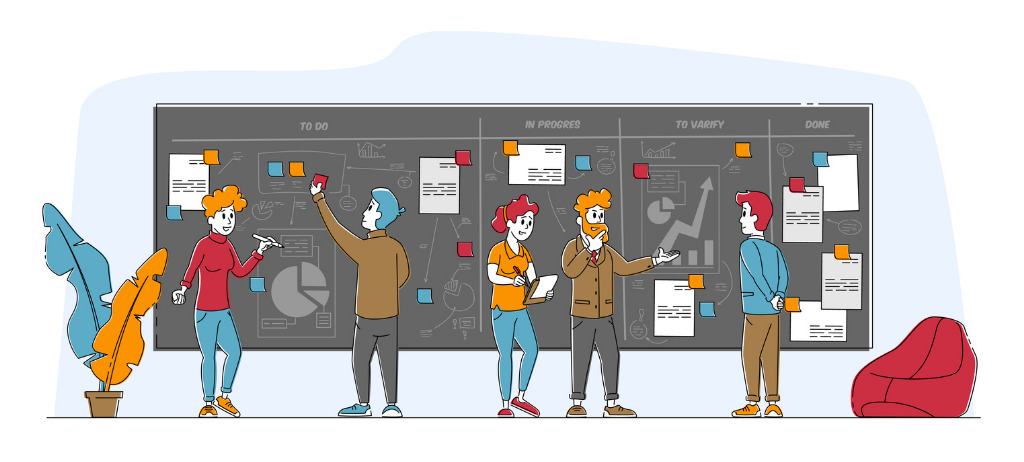
agile development software

Time and Materials Contract: Getting it Right

A T&M contract will not eliminate all the risks and challenges you will face. Here’s how to make sure your project will stay on track when using a time and materials contract. 

Choosing a Development Partner

Time and materials contracts using agile development processes require constant vigilance on workflow. When selecting remote engineers, you want expertise that matches the skills required for the project. 

You should also know something about the team’s history in handling budgets, project scopes, communication channels, and how they track the progress and effectiveness of the project. 

Selecting the right partner will be a key factor in the success of your project, so make sure you thoroughly review their track record, so you know you are working with a trustworthy team. 


Create the Best Team for the Job

Whether your company possesses all the skills under one roof or offshore team augmentation hiring remote engineers is a component of your development strategy, building the best team for the job is critical to the success of the project. 

Agile development projects work best with small teams because it helps to eliminate communication issues and documentation bottlenecks. 


Develop Project Frames and Estimate Costs

Agile and time and materials contracts are the most efficient methods for software development, but you still need some idea of the scope and budget of the project. Frames provide project scope that remote engineers can use to estimate the number of sprints required and calculate an estimated cost. 


Engage Regularly with Your Remote Engineers

Even with the best onsite developers and remote engineers, you will need to be involved with the project. Lack of communication has been the demise of many software projects, so regular meetings are critical. 

Team augmentation using a remote workforce often means some of your development team will be offshore or live in different time zones. You will need to plan your communication strategy to accommodate the difference in working hours.
innovation for business startup

Manage Your Project with The Flexibility of T&M

Time and materials contracts allow developers and remote engineers to quickly get on the same page, with both parties working towards a quality product rather than a limited time and budget.

The increased requirement for detailed management may be time-consuming, but the development of a product that meets all expectations of the end users guarantees the continued viability of the project.


Are You Ready to Start Building your Project? 

Are you searching for a reliable development partner who can augment your team with highly qualified remote engineers? Towa Software has tailored, affordable solutions and the right skills to get your software project off to a flying start.

About Towa

Towa is a leading firm across the United States and Mexico for software engineering and outsourcing, including QA and testing. We offer from Mexico our over +300 engineers capabilities as nearshore delivery model service offerings.

Towa Software has over 20 years of experience to guarantee the quality of every line of code, we are proud of our products and services delivered.

As a leading software development outsourcing company in the USA and Mexico, we have extensive experience in many fields including fintech, banking, payments gateways, e-commerce, retail, marketplaces, health care, Omnichannel, and many more.


You can contact us at support@towasoftware.com or give us a call via (+1) 210-787-4525 for more information.


Starting small and build trust with your provider before scaling. 


You can Book a 15-min call call with one of our Customer Success Managers for a conversation.

Discover why USA and Canada Hire Top Talent from LATAM

O

ver the past few decades, there has been a rise in the popularity of outsourcing as a management strategy. Outsourcing remote engineers have become increasingly common due to globalization and digitalization, allowing American businesses to send work to other countries. In recent years, the nearshore outsourcing model has become one of the most well-liked types of outsourcing.

Nearshore outsourcing has many advantages which are used by many businesses. That has allowed them to cut back on overhead and streamline existing procedures, allowing them to devote more time and energy to their most essential tasks.

It entails sending specific tasks to a third-party provider in a country close to the home office. Companies in the United States often outsource work to other countries in Mexico and Latin America.

Nearshore outsourcing has several benefits, like being more convenient due to its proximity, sharing similar culture, sharing the same time zone, etc. In further depth, allow us to investigate these benefits of staff augmentation for remote engineers.

Build Tech Teams from Mexico

Advantages of Nearshore Outsourcing

Businesses can gain a lot by staff augmentation of software development work in countries with a developed information technology industry. The following are a few of the main advantages of this type of outsourcing:

Streamlined Operations

When a company does talent augmentation, it can focus its efforts on what it does best. That eliminates the need for businesses to spend resources on finding and training in-house software engineers. It is preferable to hire a consulting firm to handle the work. The result is streamlined processes and better financials.

Improved Collaboration

Nearshore outsourcing improves teamwork in which two companies are located in the same time zone. In this situation, the working hours of different parties often overlap significantly. It facilitates efficient communication without requiring people to work at inconvenient hours.

Optimized Operating Timelines

Businesses can save time and money by outsourcing to nearshore contractors. Outsourcing allows companies to save time by delegating specific tasks to outside contractors. Time to market for products and services is reduced, which is vital for the success of any organization.

Focus on Core Competencies

To recap, nearshore outsourcing allows businesses to devote more resources to what they do best. What this means for companies is that they concentrate their limited resources on the things that matter the most. Employees are not overworked, and so spared burnout. In a sense, outsourcing frees up time and resources for companies to focus on what matters.

hire a custom software team

Extended Talent Pool

When you nearshore your software development, you can locate a more qualified and committed crew for your projects. The region of Latin America has established itself as a technological powerhouse. It’s risen to prominence as a prime location for nearshore software development. Rather than relying on in-house teams, many American companies have turned to top developers in Latin America.

The Mexican labor force is also notable for its high education, expertise, and experience. Outsourcing software development to our southern neighbor has been synonymous with guaranteed excellence.

Using nearshore outsourcing, companies can use other countries’ infrastructure and technological prowess in addition to the right talent. In this way, American businesses may create high-quality, necessary IT services and products.

Lower Engagement Costs

When it comes to developing software, high-quality resources are in short supply. The price tag ends up being rather high. But the nearshore outsourcing strategy allows businesses to tap into the extensive worldwide pool of resources and hire at a lesser cost. As a result, companies can more effectively cut their engagement expenses, allowing them to reduce development costs and sell their products to clients at affordable prices.

Cultural and Geographical Closeness

Nearshore outsourcing centers close to the headquarters of the actual company. That translates to less of a gap between the teams’ schedules due to time zone differences. It allows for simple cooperation between team members and, if necessary, travel.

Nearshore outsourcing’s other major perk is fostering a sense of cultural familiarity between your business and the outsourcing firm. Because of this, communication and collaboration are facilitated by shared linguistic, behavioral, and cultural norms.

Improved Communication Channels

Since the time zones are so close together and the languages are so similar, the company and its suppliers can quickly and effectively communicate. The ability to communicate effectively is critical for fostering productive partnerships and increasing the rate of product development.

Businesses that use the offshore model to send work to another country frequently face linguistic and cultural difficulties. The nearshore outsourcing strategy eliminates these distractions and creates a more harmonious office setting.

Consistency in Law and Governmental Order

Canada and the United States have much, not just a common language and culture. Many similarities exist between regional and federal regulations. In this way, trade secrets are easier to safeguard. When politics are stable, businesses can rest easy knowing their investments are safer for the long haul. It will also aid in keeping projects on track and under budget.

Improved Productivity

The efficiency of your staff will increase thanks to nearshoring. You can, for instance, outsource the management of your back-end development to a team of experts so that you can focus solely on the most critical aspects of the project.

Constant midnight shifts can also lead to burnout for your staff. By using nearshoring, you can increase productivity and employee satisfaction by eliminating or reducing the number of night shifts.

Lower Costs

The outsourcing business model is conceived as a means to achieve that end. While it isn’t the driving force behind offshoring or new approaches any longer, it nonetheless carries considerable weight.

The exchange rate is particularly favorable for American enterprises that outsource project development to Latin American countries. The lower value of the local currency relative to the US dollar can translate into less expensive development costs. 

Wrapping Up

Talent augmentation for remote engineers allows businesses to realize better economies of scale and, most importantly, greater specialization. With this strategy, companies can focus on what they do best.

Nearshoring software development is a rapidly growing form of outsourcing due to its many benefits to the software development industry. Nearshoring can be a great option to traditional outsourcing due to its many benefits, including ease of access, greater process control, and fewer linguistic and cultural hurdles.

Every company has different needs and expectations, at Towa, we have been working with Small and Medium size companies providing expert software design and development services so you can create world-class products.

Our nearshore development teams deliver the benefits of tech expertise, bilingual collaboration, time zone alignment, and competitive costs.

Fuel your business with IT experts to speed innovation and increase ROI.


Contact us to talk about how Towa can help you. 

Build Tech Teams from Mexico

Grow or establish your IT teams knowing you’ll achieve your objectives and save money. Towa’s Tech Team helps businesses like yours find qualified bilingual engineers so you may expand your operations. You may not realize how close your software development team of engineers and designers is. Our Nearshore service puts you in touch with a tech team that is only a short flight away, shares your time zone, speaks your language, etc.

It takes a lot of effort and money to hire employees. But, with Towa’s Tech Team, you can streamline the process of talent augmentation. If you want to expand your business, you’ve come to the right place. We charge a blended rate and don’t require any long-term contracts.

About Towa


Towa is a leading firm across the United States and Mexico for software engineering and outsourcing, including QA and testing. We offer from Mexico our over +300 engineers capabilities as nearshore delivery model service offerings.


Towa Software has over 20 years of experience to guarantee the quality of every line of code, we are proud of our products and services delivered. We recommend starting small and building trust with your provider before scaling. 


As a leading software development outsourcing company in the USA and Mexico, we have extensive experience in many fields including fintech, banking, payments gateways, e-commerce, retail, marketplaces, health care, Omnichannel, and many more.


You can contact us at support@towasoftware.com or give us a call at +1 (210) 787-4525 for more information.