Towa Software Partners with Arcadier to Offer Custom Marketplace Development Services

Towa Software Partners with Arcadier to Offer Custom Marketplace Development Services

Expert Tech Partner Joins Forces with Leading API-Based Technology to Build Custom Marketplaces

Towa Software has partnered with Arcadier to provide custom marketplace development services to businesses looking to build or enhance their online marketplace. The partnership brings together Towa’s team of certified software engineers and e-commerce consultants with Arcadier‘s Saas API technology, allowing for the creation of unique marketplace experiences across a variety of industries and sectors.

“We are excited to partner with Towa and offer their expertise to our customers,” said Brian Conn, Arcadier Director of Americas. “Their team of certified developers and their focus on e-commerce technologies make them a valuable asset for businesses looking to build or improve their online marketplace”.

Towa has a track record of successful projects for startups and enterprises in North America and LATAM, with over 15 certified developers already working on customizations and third-party integrations for customers. The company’s Engineering Warrior program focuses on training and certifying all team members, ensuring a high level of expertise.

In addition to its partnership with Arcadier, Towa has also partnered with other tech companies such as Avalara for tax calculation, ShipEngine for multi-carrier shipping services, MercadoPago for checkout payments and marketplace fee, Klaviyo for marketing automation solutions, Customer.io for alternative marketing automation, MongoDB for expanding current marketplace analytics, and Twilio for omnichannel solutions, positioning the company as an expert integrator and provider of custom solutions for a variety of industries.

“We are thrilled to partner with Arcadier and offer our full-service agency to their customers,” said Adrian Lopez, E-commerce Consultant at Towa. “Our team is dedicated to providing high-quality, personalized solutions that help businesses succeed in the increasingly competitive world of online marketplaces. Integrating Marketing, eCommerce, and Innovation are our main core competency”.

Businesses interested in working with Towa and Arcadier can contact the companies for support and development customizations. Towa has offices in Mexico City, Monterrey, and San Antonio, Texas, and offers bilingual staff augmentation services for companies of all sizes.

About Towa Software Inc.

Towa Software Inc. is a software engineering company comprised of highly experienced, well-trained, and talented engineers in Mexico. The company delivers the most mission-critical software projects and meets the business and technical needs of clients across many industries.

TOWA SOFTWARE INC.

MSc. Adrian Lopez

Customer Success Manager

+1 (210) 487-7734

adrian.lopez@towasoftware.com

10918 Vance Jackson, Suite 204, San Antonio, TX. 78230

online shopping

Getting Started with Custom Marketplace Development

M

arket conditions over recent years created a perfect storm for an already growing eCommerce industry to tighten its grip on retail market share. While physical sales from bricks and mortar stores showed a steady decline, eCommerce peaked at more than $5 trillion in 2021, a 16% increase from $4.2 trillion in 2020.

As more businesses discover they can no longer ignore the lucrative online marketplace, they are more than eager to take advantage of established platforms like Wish, Shein, eBay, Etsy, and Amazon for getting their products in front of more customers. 

However, established marketplaces are not the only way to get your goods in front of an online audience. Custom marketplace development offers many opportunities for you to create your eCommerce multi-vendor platform that you control.

This multi-vendor marketplace guide will discuss why you should consider developing a Custom eCommerce Marketplace, the available development options, and how to get started.

What is a Multi-Vendor Marketplace?

A multi-vendor eCommerce marketplace is the online equivalent of a physical mall where multiple vendors can sell products and services from a single website. A marketplace operator does not own any stock. Instead, they bring vendors together and act as the middleman by connecting buyers with sellers.

In return for bringing buyers and sellers together, the marketplace owner receives a commission from every sale. Sellers gain extra exposure for their brand and access to more online traffic than they could achieve on their own.

Multi-Vendor Marketplace Advantages

How customers shop is evolving, and online purchases feature more and more in consumer spending habits. A multi-vendor eCommerce marketplace creates more options for consumers while also giving them more control over their shopping experience. Here are just a few of the ways an online marketplace can benefit consumers and your business.


Diversify your income strategy: A variety of income strategies become available with a multi-vendor marketplace. For example, you could charge a small commission for every third-party sale, and you can create an extra income stream by charging for a premium listing or for appearing in related products or also bought sections.


Get more and higher-quality customer data: The data collected from every interaction is valuable for determining customer behaviors and identifying trends. High-quality data helps you segment customers more efficiently and improve conversions by delivering a more personalized experience.


Test new products and services: Bringing new brands and products onto the platform offers more opportunities for testing without investing in your own inventory.


Easier to scale: A multi-vendor marketplace is much easier to scale than a single-vendor eCommerce platform, as the need for inventory investment is significantly reduced.


Offer more variety: Today’s consumers crave more options and control over their shopping experience. By bringing on multiple vendors you can increase the amount of variety your marketplace can offer, which will help you reach a wider audience.

Types of eCommerce Marketplaces

An eCommerce marketplace will fit within one of three different models:

  • Global Marketplaces
  • Horizontal Marketplaces
  • Vertical marketplaces

Global Marketplace

A global marketplace caters to an international demographic and sells products from every niche and industry. Amazon is an excellent example of a global marketplace, as it is famous for selling everything to everyone.


Horizontal Marketplace

A horizontal marketplace is more focused on its product range. While it does cater to many different industries, the products on offer all share some common characteristics. For example, every industry needs office furniture or Amazon’s retail products that ship to your home. 


Vertical Marketplace

Vertical marketplaces offer specific products to a specialized demographic. There can be many different sources in a vertical marketplace, but only one type of product. Etsy is a good example of a vertical marketplace that caters to the arts and crafts community. UNI Diamonds is another vertical marketplace that sells just one type of product, diamonds, but customers have a  wide selection of vendors from which to choose. Also Uber is an example of vertical marketplace, since it only sell ride share.

Marketplace builder business model services and retail

eCommerce Marketplace Business Models

When you know you are ready to grab your share of the growing eCommerce trade, you will still need to settle on a business model, of which there are three main options:

  • Dropshipping
  • Franchisee
  • Retailer

Dropshipping Marketplace

A dropshipping retailer has an online portal that lists products from many different vendors but does not carry any physical stock. Rather than storing inventory, the order is shipped from another warehouse using the 3rd party seller’s branding.

Dropshipping works through split orders. Third-party sellers purchase in bulk from a manufacturer, but instead of shipping the entire inventory to the third-party seller, a manufacturer will split the order and deliver products directly to a third-party seller’s customers.


Franchisee Marketplace

A franchisee marketplace model works well for localized selling. Franchisees can come together in a single marketplace to offer goods and services online to a local community. The marketplace owner drives sales and traffic through localized advertising, local SEO, and content creation.


Retailer Marketplace

In the retailer marketplace, the operator delivers an online platform where third-party sellers can offer their goods and services. A third-party seller makes the sale, but the product is delivered by another manufacturer, wholesaler, or retailer.

Headless Custom Marketplace Development

Traditional CMS, Hybrid, or Headless Marketplace? Which is Better for Custom Marketplace Development


Once you have settled on a business model and chosen whether you want to go global or stay local, your next goal will be to select an eCommerce platform that will suit your goals.

Online businesses are tasked with managing a huge volume of content creation and changes daily. Content-driven experiences are increasingly critical for attracting new leads and prospects to your marketplace.

In a traditional CMS, the frontend, where customers do all their browsing and purchasing, are inextricably entwined with the backend where all the data is processed. 

A regular CMS is much easier to set up and deploy than headless or hybrid options. However, they are more complex when scaling the business, or migrating to a different platform. They are also limited in features for integrating third-party content from many different vendors.

What is a Hybrid Marketplace?

A hybrid marketplace includes support for multiple content delivery systems. Your content creation team is free to use whatever CMS they are comfortable with, while developers have the capacity to deliver the content across many different channels.


What is a Headless Marketplace?

The headless marketplace decouples the frontend CMS without limiting your ability to publish new content. You can easily reuse content on multiple channels, use any front-end framework to tailor the customer experience, and accept content from multiple vendors without compatibility issues. A headless CMS means you can work your business from a content-first approach because you can use the RESTful API to display it in any way you need.


Advantages of a Headless Marketplace

The eCommerce landscape is always evolving, so having a flexible platform is critical to the survival of a multi-vendor marketplace. Here are just a few advantages you will appreciate when working with a headless marketplace. 


Reduced Development and Maintenance

You can use whatever programming language you need for the backend and create your presentation layer for the front end without having to worry about compatibility issues. Developers can work faster because they aren’t confined to the typical limitations of a traditional CMS.


It’s a Low-Cost Future Proofing Solution

A development team can quickly create new functionality on an existing website. For example, let’s say you have created a marketing campaign that uses many different microsites to feature new products or services. 

The marketing team can produce and format the content without having to wait for a bunch of new content templates from developers. You are free to manage and change your content at any time across multiple channels.


Flexible Frontend Development

A headless CMS removes the limits for creating an exceptional customer experience because you no longer have design constraints. Unlike a traditional CMS, where tinkering on the frontend can impact the backend processes, the back end of a headless CMS is not impacted by frontend development. Because they are kept separate, your website visitors will enjoy faster loading times for web pages.

Profiting from the rising popularity of eCommerce will mean you need to carefully consider your approach. Our multi-vendor marketplace guide should help you make an informed choice. The products you sell, the vendors you will partner with, and the demographic you serve will all have an influence on custom marketplace development. If you are ready to get more products in front of more customers, call Towa Software today to learn how to get started.

Headless Marketplace

Towa’s Tech Team will turn your marketplace and e-commerce ideas into reality


Towa’s Tech Team provides Nearshore software development services. We’ll streamline the process of developing advanced and customized marketplace solutions for customers. Our top objective is to provide our customers with the means to develop dynamic and user-friendly online marketplaces rapidly. 

All of which aids our clientele in attracting more potential customers and converting them into paying customers.

Towa’s Tech Team allows for simplified talent augmentation procedures. Through our Nearshore service, we can connect you with a technical crew that is only a short plane ride away, is in the same time zone as you are, and can communicate with you in your native language.

Talent augmentation for remote engineers allows businesses to realize better economies of scale and, most importantly, greater specialization. With this strategy, companies can focus on what they do best.

Contact us to talk about how Towa can help you. 

Build Tech Teams from Mexico

About Towa


Towa is a leading firm across the United States and Mexico for software engineering and outsourcing, including QA and testing. We offer from Mexico our over +300 engineers capabilities as nearshore delivery model service offerings.


Towa Software has over 20 years of experience to guarantee the quality of every line of code, we are proud of our products and services delivered. We recommend starting small and building trust with your provider before scaling. 


As a leading software development outsourcing company in the USA and Mexico, we have extensive experience in many fields including fintech, banking, payments gateways, e-commerce, retail, marketplaces, health care, Omnichannel, and many more.


You can contact us at support@towasoftware.com or give us a call at +1 (210) 787-4525 for more information.

Cost To Build A Multi-Seller Marketplace: How To Create A Successful Business

S

o, let’s say you’ve settled on creating an online market. You might have the following questions in mind: How to Make an Online Market App Like Etsy, Amazon, or Airbnb a Reality? The next question is, how much does it take to build a thriving online market? What technology stack components should you prioritize when creating your retail platform? Alternatively, what characteristics do your virtual marketplaces require?


Increased usage has led to the rapid expansion of the online marketplace platform. In the United States, internet retail sales reached $504.6 billion in 2018, and they are expected to rise to over $735 billion by 2023. There is no denying the success of the P2P business. As a result, launching one’s online store is gaining popularity.


The typical cost of creating an online marketplace is indeed variable. The entire estimated cost of developing a marketplace website that is likely to generate income is laid out in this article. Identifying the appropriate technology stack is the first step toward creating a successful online marketplace.

ecommerce marketplace

A technology stack for business growth

Think about the development environments you’ll be working in when planning a marketplace. To what end is this valuable information for business owners? The performance and maintainability of the application will be affected by the technology stack you choose to use. In a nutshell, slow page loads, scalability issues, and update failures can result from using the incorrect tools.


The price tag for building a marketplace website can fluctuate widely based on the technologies you choose to implement. You should select a framework that will facilitate a rapid app development cycle and release.


The requirements for a given marketplace determine which technologies we employ to develop its website. But, the following technologies are commonly used in our marketplaces:


Frontend

  • JavaScript
  • Angular
  • ReactJS
  • PHP
  • Amplience CMS

Backend

  • PHP
  • MongoDB
  • API Rest
  • Node.js

Integrations

  • Customer.io, Klaviyo
  • Stripe, Paypal, USAePay, Gravity Payments, OpenPay, Mercado Pago
  • ShipEngine
  • Avalara
  • Twilio
  • Legacy
  • Amazon EC2

Remember that we only covered the most important frameworks and integrations; in reality, the stack will include even more technologies. If we explore alternative front-end frameworks, we may need to revise the entire technology stack if we explore alternative front-end frameworks (Vue.js, Headless, Amplience CMS).

When a company does talent augmentation, it can focus its efforts on what it does best. That eliminates the need for businesses to spend resources on finding and training in-house software engineers. It is preferable to hire a consulting firm to handle the work. The result is streamlined processes and better financials.

Core features for a multi-vendor marketplace

It isn’t easy to put a price on creating an online marketplace without first defining the features that must be included in the final product.


We always advise our clients to maintain a minimum viable product (MVP) in the market first. That way, you can put your theory to the test with little cash outlay. You can expand your platform’s capabilities in the future.


Creating an online marketplace for your goods and services can help you focus your efforts. Keep in mind, too, that first impressions count for a lot. Essential features of a marketplace are presented to aid in developing a functional marketplace.


1. Simple registration procedure

All participants in an online marketplace must register with identifying information (name, gender, date of birth, email, phone number, etc.) if one is to be established.


Also, allowing consumers to join via social platforms is a convenient way to sign up. Facebook, Linkedin, Google logins auth are also crucial.


Make registration as simple as possible to retain visitors who may become paying clients.


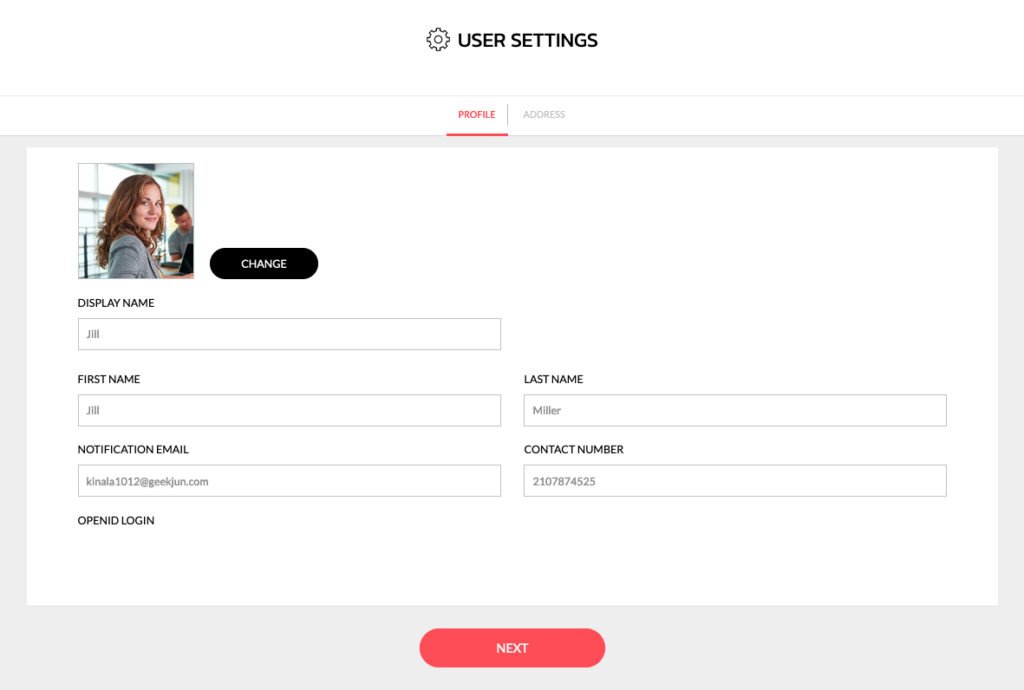
2. User profile

The most valuable users in the marketplace serve in two distinct capacities: as buyers and as sellers. Therefore, accounts must be as complete as possible. Admin should be able to add custom fields as required. For example, users can quickly sign up and view the service provider’s details. Vendors should maintain transparent control over all inventory and listings, stock data and adjust visibility controls as needed.

3. Homepage

Making your homepage unique is usually a good idea. Customers universally like a straightforward menu structure. User interface and experience design (UX/UI) should not be neglected. To save you time, here are some pointers for improving the visual appeal of your minimum viable product in online marketplaces:


  • Web design that is easy to navigate, customizable search fields, and aesthetically pleasing
  • Incorporate previously viewed items to increase conversion rates.
  • Insert list of best-sellers
  • Including a section with testimonials might help build credibility with site visitors.

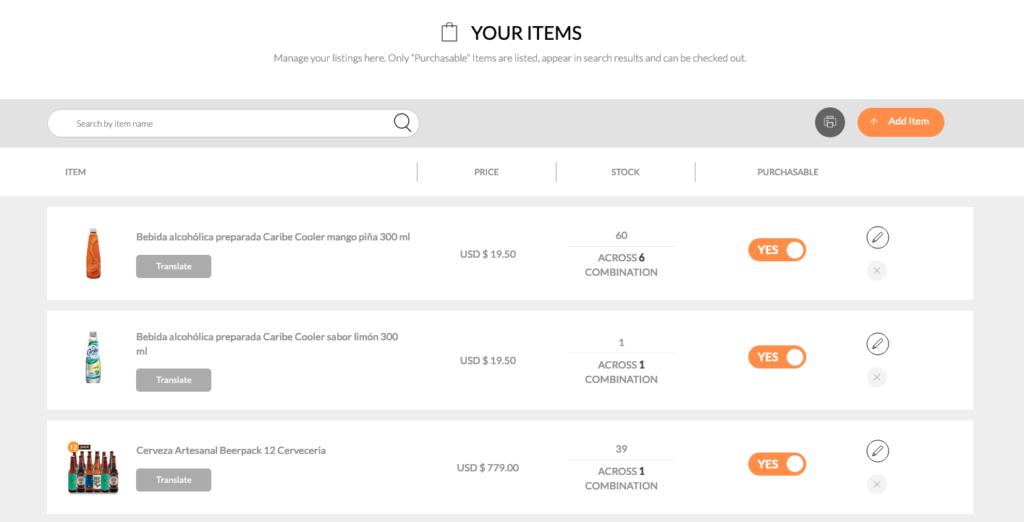
4. Manage my listings (for Merchants)

Adding a listing with more detail is a crucial feature for vendors. Customers will have a better overall experience once they arrive at your website, thanks to the curated product catalog you’ve created.

Easily manage to create and update your pricing, product details or service details from a Vendor Portal for an operating seller, having the listings updated is key for success and lot of sales.

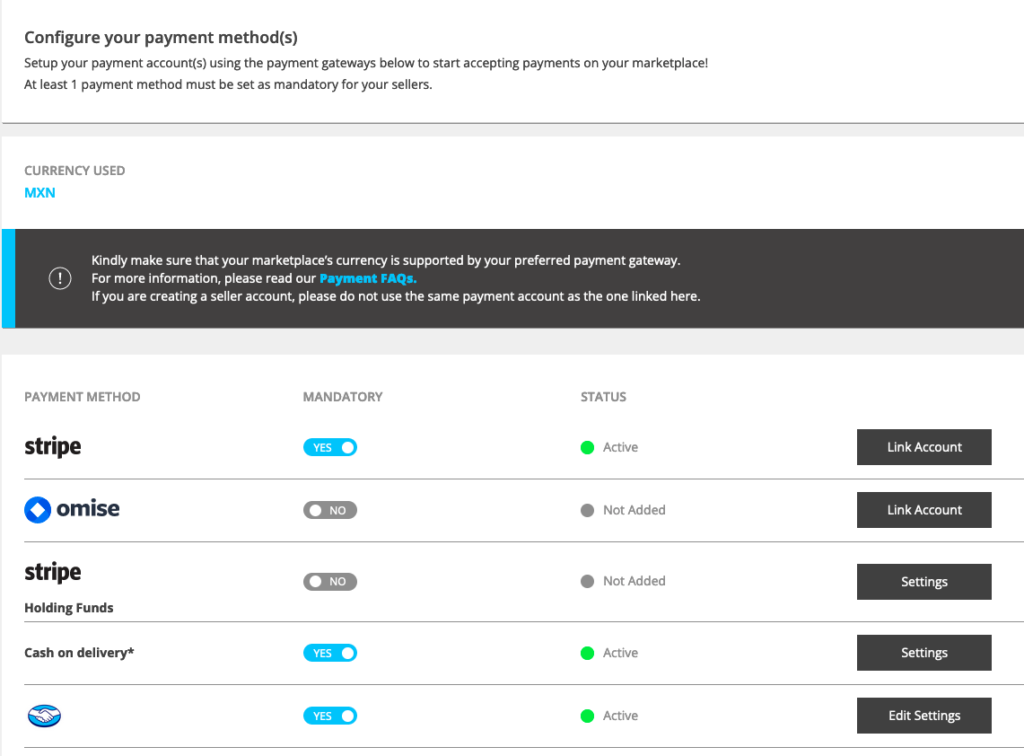
5. Flexible payment options

The total amount due is calculated mechanically by the payment system with tax calculation and shipment fees. Customers must be able to view their order summary and payment history. Offering many payment methods is convenient for potential customers. Users of your online marketplace must be able to make purchases using credit cards, Klarna PayPal, Stripe, any other payment processor, or even crypto.

6. Wishlist or favorites

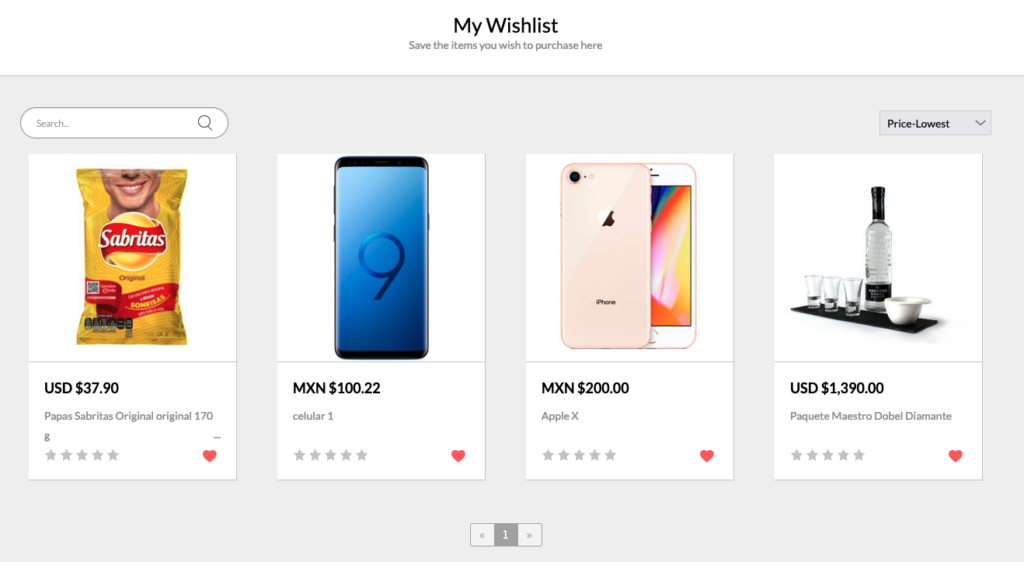
A wishlist where clients can save items they consider buying is a powerful marketing tool. That’s another strategy for making a marketplace website that draws in more visitors. When customers communicate their wish lists to their friends and family, it generates free exposure for your marketplace.

What factors affect the budget in creating a new market?

The amount of money put into a marketplace is proportional to the problems it addresses. The amount of money needed to fund its creation depends on several factors. So, let’s examine the components that go into the final price tag of a marketplace website.

Ready-made (Template-based) vs. custom development (API or scratch)

At first look, it may seem that once you’ve purchased pre-built software (Sass/Paas), you won’t have to make any further adjustments to your website or spend additional money. But if far from reality, in order to maintain and customize to your business needs you will need to hire someone. 


Extra staff members must be hired to implement this program. The cost may also increase as a result of necessary improvements. Not to mention the cost of acquiring the cloud servers required to ensure consistent performance. In addition, customizing a template to fit the logic of your organization can be challenging.


Therefore, making your online marketplace website customizable will take much more time and energy. This could result in a significant increase in both development time and cost.


Set of features

The cost to develop a marketplace website is proportional to the complexity of the underlying platform. When you present your ideas to a software agency, they will break down the cost of each feature for you.


To launch a thriving marketplace, it is sufficient to implement only the most essential features at the outset. However, don’t forget to factor in all the “extras,” as they will determine how much money it will cost to maintain the website. Be sure to weigh all the options that could lead to more costs down the road. Lastly, be sure that you and your consumers will profit from each feature you intend to implement in your marketplace.

Towa’s Tech Team will turn your marketplace and e-commerce ideas into reality


Towa’s Tech Team provides Nearshore software development services. We’ll streamline the process of developing advanced and customized marketplace solutions for customers. Our top objective is to provide our customers with the means to develop dynamic and user-friendly online marketplaces rapidly. 

All of which aids our clientele in attracting more potential customers and converting them into paying customers.

Towa’s Tech Team allows for simplified talent augmentation procedures. Through our Nearshore service, we can connect you with a technical crew that is only a short plane ride away, is in the same time zone as you are, and can communicate with you in your native language.

Talent augmentation for remote engineers allows businesses to realize better economies of scale and, most importantly, greater specialization. With this strategy, companies can focus on what they do best.

Contact us to talk about how Towa can help you. 

Build Tech Teams from Mexico

About Towa


Towa is a leading firm across the United States and Mexico for software engineering and outsourcing, including QA and testing. We offer from Mexico our over +300 engineers capabilities as nearshore delivery model service offerings.


Towa Software has over 20 years of experience to guarantee the quality of every line of code, we are proud of our products and services delivered. We recommend starting small and building trust with your provider before scaling. 


As a leading software development outsourcing company in the USA and Mexico, we have extensive experience in many fields including fintech, banking, payments gateways, e-commerce, retail, marketplaces, health care, Omnichannel, and many more.


You can contact us at support@towasoftware.com or give us a call at +1 (210) 787-4525 for more information.

MongoDB office in Silicon Valley

Towa Partners with MongoDB To Certify Over 20 Software Engineers

Leading Texas-based software engineering company, Towa Software Inc., enters into a partnership with MongoDB, a data-as-a-service solutions provider, to train and certify top software engineers to develop with MongoDB Atlas.
MongoDB data-as-a-service

San Antonio, Texas, March 2022 –Towa Software, a custom software development company with staff augmentation services, specialized in helping companies of all sizes to harness the competitive advantage of new technologies, delivering high-quality software with cost savings, today announced it has officially become a MongoDB SI Partner. 

Towa Software will now be able to provide certified development capacity with an agile methodology to migrate current databases to a leading data platform for SMBs and Corporations. 

The engineering teams at Towa Software Inc. and MongoDB have partnered, a move that has resulted in the training and certification of more than 20 software engineers to develop with MongoDB Atlas. Towa Software has grown over the years to become one of the leading nearshore software development providers, especially in Mexico and the United States, helping to build top tech teams to drive the goal of businesses across industries like retail, e-commerce, fintech, insurance, banking & healthcare.Carlos Mendoza CEO at Towa said, “At Towa, we are very excited about the enormous co-creation possibilities this partnership opens for both companies! We truly believe we are giving a big step that will strengthen and extend our current capabilities.”

Together our company’s strengths and engineering capabilities will provide top talent and staff augmentation services to our mutual customers.” -said Towa CEO, Carlos Mendoza. “This partnership will enable our bilingual data specialists to master a leading database platform, we are very proud of our engineering culture”.

The new partnership with MongoDB will allow Towa Software to provide world-class IT services to leaders and innovators in the USA market.

The global fintech market size hit $110.57 billion in 2020 and is projected to exceed $698.48 billion by 2030, according to a report published by Allied Market Research. Experts have identified the increasing adoption of new solutions and databases in the financial services and retail industry as major drivers of the market. However, the increasing adoption of new solutions and the growing demand for software engineers have not been met by a corresponding supply level. Consequently, Towa Software has partnered with MongoDB to certify software engineers and ensure they have the necessary skill set to develop with MongoDB Atlas and serve the Fintech and Retail industry in Mexico and the USA.

MongoDB, Inc. is an American software company that develops and provides commercial support for the source-available database MongoDB, a NoSQL database that stores data in JSON-like documents with flexible schemas. 

MongoDB Atlas is a multi-cloud database service by the same people that build MongoDB. Atlas simplifies deploying and managing your databases while offering the versatility you need to build resilient and performant global applications on the cloud providers of your choice. MongoDB offers An integrated suite of cloud database and data services to accelerate and simplify how you build with data.

“The decision to partner with Towa Software to train software engineers will support the drive to provide staff augmentation services with remote software engineers from Mexico to the USA as championed by the software engineering company”. Mentioned by Dafne Fernandez, Director of Partners LATAM for MongoDB. 

Towa Software provides staff augmentation and software development services for many companies in retail, insurance, fintech, eCommerce, and marketplaces. Talk to us to discover how we can help your business grow and build innovative products.

Companies looking to scale current tech teams and outsource development with top 1% talent can now hire 2x times faster with cost savings in overall software development rates. 

Build Tech Teams from Mexico

About MongoDB Atlas

MongoDB Atlas is a fully-managed cloud database that handles all the complexity of deploying, managing, and healing your deployments on the cloud service provider of your choice (AWS, Azure, and GCP). MongoDB Atlas is the best way to deploy, run, and scale MongoDB in the cloud.

MongoDB Atlas is a global cloud database service built and run by the team behind MongoDB.

Visit and learn more about www.mongodb.com 


About Towa Software Inc

Towa Software Inc. is a software engineering company comprised of highly experienced, well-trained, and talented engineers in the USA and Mexico. The company delivers top software quality to meet the business and technical needs of clients across many industries.

For nearly two decades, we have been mastering technologies that can make a difference and have a tangible impact on both clients’ businesses and our society. What we do, it’s not just software. Towa’s Clients are partnered with top-tier engineers, with in-depth business analysis, bold ideas, and excellent technological execution. All are supported by years of experience and expertise, including technology consulting and cutting-edge software engineering based on the newest technologies.

Software Development                   

Towa provides services throughout the entire software development lifecycle, including custom software development, testing, and implementation services with top LATAM engineers.

Innovation

Towa delivers technical and business support for innovative IT projects and active involvement in their development, including help in developing our customers’ innovative technological projects, support in the commercialization of startups, and assistance in raising funds.

Help Desk and Product Support

Our certified developers are capable of caring for your end-users and increasing customer satisfaction, help implementing new software, seamlessly integrating into your organization as well as providing support for the software lifecycle.


Towa Software Media Contact

Learn more at www.towasoftware.com

For further information about the Towa & MongoDB partnership and other initiatives from the company, visit – https://stgdev.towasoftware.com/. Towa Software Inc. can also be found across social media, including Facebook and LinkedIn.


Company: Towa Software Inc.

MSc. Adrian Lopez

Customer Success Manager

+1 (210) 487-7734

adrian.lopez@towasoftware.com 

Address: 10918 Vance Jackson, Suite 204, San Antonio, TX. 78230 


    Want to speak with us, leave your details to receive a call

    1. Name *
    2. Email *
    3. Phone *
    1. Comments *

    Why do software development companies offer Time and Materials Contracts?

    Time and Material contract for Agile Software Development

    When outsourcing software development, it’s natural to want to control costs as much as possible. Fixed price contracts and budgets set in stone might seem like the best ways to do that. 

    However, software development is most often an evolutionary process. Without a working crystal ball to accurately predict the project scope and duration of a project, a fixed-price contract is rarely your best option.

    Even if you do think you know enough about the project, building an app from scratch means you will be devoting a lot of time to hammering out every detail at the beginning of a project. As such, companies attempting to cut their time to market with a minimum viable product (MVP) are penalizing themselves early on with an overly detailed scope of work. 

    Plus, once the plan is in motion, it’s very difficult to change direction without upsetting the strict pricing model. Deviating from the original scope of the fixed price model usually requires scrapping everything and starting back at square one. In short, every change in the development process will cost the company dearly, while also giving competitors a significant opportunity to beat them to the punch. 

    Time and materials contracts increase the flexibility of a project while ensuring development teams are paid fairly for their work. This article will go over why Time and Materials (T&M) contracts are the best way to keep development projects viable and relevant in changing market conditions.

    Why Not Use a Fixed Price Contract?

    Fixed price contracts are as inflexible as T&M contracts are flexible. Investing heavily in a detailed scope will delay your time to market, and any changes will mean revisiting the drawing board with more meetings, wasted documentation, and redrawing of contracts. 

    Team augmentation under a fixed-price contract introduces further challenges. The software vendor wants to maximize profits by using as few man-hours as possible. 

    On the other hand, the vendor is not as concerned about time to completion because they want the best quality product. Man-hours do not add to the project’s costs, so it’s difficult for developers and vendors to get on the same page under these conditions. 

    What are Time and Materials Contracts?

    A time and materials contract is the opposite of the traditional fixed price contract. It’s based on the need for software projects to remain flexible. The volume of work, design changes, and implementation of new features are all within the realms of possibility with T&M contracts. 

    Developers are paid for the time in hours they spend on a project, negating the need to go back to the drawing board when the scope changes or new features need to be added. Strategies are free to evolve, and decisions can be made on the fly. These features make a T&M contract the perfect match for quickly getting a minimum viable product to market.

    agile software development

    Time and Materials Contracts Increase Flexibility (Agile Development)

    Time and materials contracts partner well with an agile process model. Agile development approaches break projects into iterations using small, autonomous teams not involved in long-term planning. Project scopes and requirements are determined at the start of the project, and each iteration is a “frame” of time, usually between one and four weeks. 

    The agile model in conjunction with a time and materials contract gives development teams the advantage of flexibility because it’s based on the premise that project requirements almost always change and evolve. 

    Agile development makes it relatively straightforward to add, remove, or improve features even in the more advanced stages of the project. 

    You can start with the basic core, or MVP, of the project. When you get the core components of a working product to market early and start earning revenue, you can adjust the requirements and key features as more information about what the market needs become available. 

    Naturally, agile projects are created in short sprints, starting with the MVP and then testing to ensure all business requirements are being met. Detailed progress reports and analyses verify the development team’s work.  

    Tracking outcomes at every stage enables development teams to add improvements and adjust their approach on the fly.

    agile development software

    Time and Materials Contract: Getting it Right

    A T&M contract will not eliminate all the risks and challenges you will face. Here’s how to make sure your project will stay on track when using a time and materials contract. 

    Choosing a Development Partner

    Time and materials contracts using agile development processes require constant vigilance on workflow. When selecting remote engineers, you want expertise that matches the skills required for the project. 

    You should also know something about the team’s history in handling budgets, project scopes, communication channels, and how they track the progress and effectiveness of the project. 

    Selecting the right partner will be a key factor in the success of your project, so make sure you thoroughly review their track record, so you know you are working with a trustworthy team. 


    Create the Best Team for the Job

    Whether your company possesses all the skills under one roof or offshore team augmentation hiring remote engineers is a component of your development strategy, building the best team for the job is critical to the success of the project. 

    Agile development projects work best with small teams because it helps to eliminate communication issues and documentation bottlenecks. 


    Develop Project Frames and Estimate Costs

    Agile and time and materials contracts are the most efficient methods for software development, but you still need some idea of the scope and budget of the project. Frames provide project scope that remote engineers can use to estimate the number of sprints required and calculate an estimated cost. 


    Engage Regularly with Your Remote Engineers

    Even with the best onsite developers and remote engineers, you will need to be involved with the project. Lack of communication has been the demise of many software projects, so regular meetings are critical. 

    Team augmentation using a remote workforce often means some of your development team will be offshore or live in different time zones. You will need to plan your communication strategy to accommodate the difference in working hours.

    innovation for business startup

    Manage Your Project with The Flexibility of T&M

    Time and materials contracts allow developers and remote engineers to quickly get on the same page, with both parties working towards a quality product rather than a limited time and budget.

    The increased requirement for detailed management may be time-consuming, but the development of a product that meets all expectations of the end users guarantees the continued viability of the project.


    Are You Ready to Start Building your Project? 

    Are you searching for a reliable development partner who can augment your team with highly qualified remote engineers? Towa Software has tailored, affordable solutions and the right skills to get your software project off to a flying start.

    About Towa

    Towa is a leading firm across the United States and Mexico for software engineering and outsourcing, including QA and testing. We offer from Mexico our over +300 engineers capabilities as nearshore delivery model service offerings.

    Towa Software has over 20 years of experience to guarantee the quality of every line of code, we are proud of our products and services delivered.

    As a leading software development outsourcing company in the USA and Mexico, we have extensive experience in many fields including fintech, banking, payments gateways, e-commerce, retail, marketplaces, health care, Omnichannel, and many more.


    You can contact us at support@towasoftware.com or give us a call via (+1) 210-787-4525 for more information.


    Starting small and build trust with your provider before scaling. 


    You can Book a 15-min call call with one of our Customer Success Managers for a conversation.

    Discover why USA and Canada Hire Top Talent from LATAM

    O

    ver the past few decades, there has been a rise in the popularity of outsourcing as a management strategy. Outsourcing remote engineers have become increasingly common due to globalization and digitalization, allowing American businesses to send work to other countries. In recent years, the nearshore outsourcing model has become one of the most well-liked types of outsourcing.

    Nearshore outsourcing has many advantages which are used by many businesses. That has allowed them to cut back on overhead and streamline existing procedures, allowing them to devote more time and energy to their most essential tasks.

    It entails sending specific tasks to a third-party provider in a country close to the home office. Companies in the United States often outsource work to other countries in Mexico and Latin America.

    Nearshore outsourcing has several benefits, like being more convenient due to its proximity, sharing similar culture, sharing the same time zone, etc. In further depth, allow us to investigate these benefits of staff augmentation for remote engineers.

    Build Tech Teams from Mexico

    Advantages of Nearshore Outsourcing

    Businesses can gain a lot by staff augmentation of software development work in countries with a developed information technology industry. The following are a few of the main advantages of this type of outsourcing:

    Streamlined Operations

    When a company does talent augmentation, it can focus its efforts on what it does best. That eliminates the need for businesses to spend resources on finding and training in-house software engineers. It is preferable to hire a consulting firm to handle the work. The result is streamlined processes and better financials.

    Improved Collaboration

    Nearshore outsourcing improves teamwork in which two companies are located in the same time zone. In this situation, the working hours of different parties often overlap significantly. It facilitates efficient communication without requiring people to work at inconvenient hours.

    Optimized Operating Timelines

    Businesses can save time and money by outsourcing to nearshore contractors. Outsourcing allows companies to save time by delegating specific tasks to outside contractors. Time to market for products and services is reduced, which is vital for the success of any organization.

    Focus on Core Competencies

    To recap, nearshore outsourcing allows businesses to devote more resources to what they do best. What this means for companies is that they concentrate their limited resources on the things that matter the most. Employees are not overworked, and so spared burnout. In a sense, outsourcing frees up time and resources for companies to focus on what matters.

    hire a custom software team

    Extended Talent Pool

    When you nearshore your software development, you can locate a more qualified and committed crew for your projects. The region of Latin America has established itself as a technological powerhouse. It’s risen to prominence as a prime location for nearshore software development. Rather than relying on in-house teams, many American companies have turned to top developers in Latin America.

    The Mexican labor force is also notable for its high education, expertise, and experience. Outsourcing software development to our southern neighbor has been synonymous with guaranteed excellence.

    Using nearshore outsourcing, companies can use other countries’ infrastructure and technological prowess in addition to the right talent. In this way, American businesses may create high-quality, necessary IT services and products.

    Lower Engagement Costs

    When it comes to developing software, high-quality resources are in short supply. The price tag ends up being rather high. But the nearshore outsourcing strategy allows businesses to tap into the extensive worldwide pool of resources and hire at a lesser cost. As a result, companies can more effectively cut their engagement expenses, allowing them to reduce development costs and sell their products to clients at affordable prices.

    Cultural and Geographical Closeness

    Nearshore outsourcing centers close to the headquarters of the actual company. That translates to less of a gap between the teams’ schedules due to time zone differences. It allows for simple cooperation between team members and, if necessary, travel.

    Nearshore outsourcing’s other major perk is fostering a sense of cultural familiarity between your business and the outsourcing firm. Because of this, communication and collaboration are facilitated by shared linguistic, behavioral, and cultural norms.

    Improved Communication Channels

    Since the time zones are so close together and the languages are so similar, the company and its suppliers can quickly and effectively communicate. The ability to communicate effectively is critical for fostering productive partnerships and increasing the rate of product development.

    Businesses that use the offshore model to send work to another country frequently face linguistic and cultural difficulties. The nearshore outsourcing strategy eliminates these distractions and creates a more harmonious office setting.

    Consistency in Law and Governmental Order

    Canada and the United States have much, not just a common language and culture. Many similarities exist between regional and federal regulations. In this way, trade secrets are easier to safeguard. When politics are stable, businesses can rest easy knowing their investments are safer for the long haul. It will also aid in keeping projects on track and under budget.

    Improved Productivity

    The efficiency of your staff will increase thanks to nearshoring. You can, for instance, outsource the management of your back-end development to a team of experts so that you can focus solely on the most critical aspects of the project.

    Constant midnight shifts can also lead to burnout for your staff. By using nearshoring, you can increase productivity and employee satisfaction by eliminating or reducing the number of night shifts.

    Lower Costs

    The outsourcing business model is conceived as a means to achieve that end. While it isn’t the driving force behind offshoring or new approaches any longer, it nonetheless carries considerable weight.

    The exchange rate is particularly favorable for American enterprises that outsource project development to Latin American countries. The lower value of the local currency relative to the US dollar can translate into less expensive development costs. 

    Wrapping Up

    Talent augmentation for remote engineers allows businesses to realize better economies of scale and, most importantly, greater specialization. With this strategy, companies can focus on what they do best.

    Nearshoring software development is a rapidly growing form of outsourcing due to its many benefits to the software development industry. Nearshoring can be a great option to traditional outsourcing due to its many benefits, including ease of access, greater process control, and fewer linguistic and cultural hurdles.

    Every company has different needs and expectations, at Towa, we have been working with Small and Medium size companies providing expert software design and development services so you can create world-class products.

    Our nearshore development teams deliver the benefits of tech expertise, bilingual collaboration, time zone alignment, and competitive costs.

    Fuel your business with IT experts to speed innovation and increase ROI.


    Contact us to talk about how Towa can help you. 

    Build Tech Teams from Mexico

    Grow or establish your IT teams knowing you’ll achieve your objectives and save money. Towa’s Tech Team helps businesses like yours find qualified bilingual engineers so you may expand your operations. You may not realize how close your software development team of engineers and designers is. Our Nearshore service puts you in touch with a tech team that is only a short flight away, shares your time zone, speaks your language, etc.

    It takes a lot of effort and money to hire employees. But, with Towa’s Tech Team, you can streamline the process of talent augmentation. If you want to expand your business, you’ve come to the right place. We charge a blended rate and don’t require any long-term contracts.

    About Towa


    Towa is a leading firm across the United States and Mexico for software engineering and outsourcing, including QA and testing. We offer from Mexico our over +300 engineers capabilities as nearshore delivery model service offerings.


    Towa Software has over 20 years of experience to guarantee the quality of every line of code, we are proud of our products and services delivered. We recommend starting small and building trust with your provider before scaling. 


    As a leading software development outsourcing company in the USA and Mexico, we have extensive experience in many fields including fintech, banking, payments gateways, e-commerce, retail, marketplaces, health care, Omnichannel, and many more.


    You can contact us at support@towasoftware.com or give us a call at +1 (210) 787-4525 for more information.

    Why Mexico is the Top Country for Nearshore Software Outsourcing

    Mexico is the best country for nearshore software outsourcing for many reasons. For one, Mexico has a robust educational system, which means that they can produce the same quality of work as anyone would find in any other country – but at a lower overall cost. This blog explores why Mexico is the leading country for nearshore software outsourcing and staff augmentation.

    Mexico is Nearshore Outsourcing’s Top Choice

    Mexico has a well-educated workforce, competitive price points for software development, and time zones that work well with USA and Canada. It is also a country that has experienced amazing growth in recent years in the IT sector.

    Benefits of Mexico for Nearshore Outsourcing

    When it comes to nearshore software outsourcing, Mexico is the chosen destination. The country’s proximity to the U.S., its knowledgeable workforce, and favorable government policies make it an ideal locale. It has a growing English-speaking population with good core values, strong work ethic, top talent, and eagerness to learn more technical skills, making it one of the most reliable outsourcing and team augmentation.

    Technology Hubs in Mexico

    Mexico is a perfect place for nearshore software outsourcing. They have a ton of technology centers that are ready to take on any project. Mexico City, Guadalajara and Monterrey are top destinations for landing a remote team. These delivery centers have a high level of expertise and can do anything from ideas to design to programming. 

    They also have excellent infrastructure that includes reliable power, internet, transportation, and other essentials needed for a great office workspace. Most of the population speaks at least some level of English.

    Top Talent Pool for Software Engineers

    Mexico has a very talented pool of software engineers and is a highly competitive market. They have a lot of technical schools that graduate high-quality engineers and programmers to work for nearshore software development firms.

    Nowadays, you can find top software engineers in any major city and other towns all around Mexico. With the right partner, you can land, build and scale a tech team in weeks, having 20 years in the market Towa is great sourcing of top software engineers.

    Mexico Staff Augmentation Top Talent

    More Facts About Mexico Tech Talent

    There are many reasons why Mexico is the top country for nearshore software outsourcing. One of those reasons is the high level of talent and technical skills in the country. 

    Another reason is that operations and IT expenses will be significantly lower than if outsourced to another region. Companies can also benefit from a broad array of tax incentives and an extremely favorable currency exchange rate.

    Conclusion

    Mexico is a great place to invest in nearshore software development. Find a tech partner that knows the market, and with extensive experience in building tech teams in your industry. Ask for use cases and don’t be afraid to ask for a blended rate for team augmentation. 

    There are many opportunities and benefits that companies gain from nearshore outsourcing and staff augmentation for top software engineers. Compare rates and skills to validate your competitive advantage to deliver more products. 

    About Towa

    Towa is a leading firm across the United States and Mexico for software engineering and outsourcing, including QA and testing. We offer from Mexico our over +300 engineers capabilities as nearshore delivery model service offerings.

    Towa Software has over 20 years of experience to guarantee the quality of every line of code, we are proud of our products and services delivered. We recommend starting small and building trust with your provider before scaling. 

    As a leading software development outsourcing company in the USA and Mexico, we have extensive experience in many fields including fintech, banking, payments gateways, e-commerce, retail, marketplaces, health care, Omnichannel, and many more.


    You can contact us at support@towasoftware.com or give us a call via (+1) 210-787-4525 for more information.


    Starting small and build trust with your provider before scaling. 


    You can Book a 15-min call call with one of our Customer Success Managers for a conversation.

    Nearshore Custom Software Development Services for SMB

    Nearshore IT Software Development services for SMB


    FAQ

    What Problems You Can Solve With Towa?

    There are several problems in IT projects whose roots are in scarce resources. We have compiled a list of such problems and made it easy for you to engage in cooperation with us based on a specific problem you face. 

    Do you need developers to extend or scale up your team?

    Your company has a well-organized IT team facing a business request to be handled by a specific deadline. The challenge is that your team is not big enough or mostly busy to be able to deliver the project as fast as your business requires. We can jump in by enabling your team to scale up with additional people with the required skills.

    Hire project manager and developers

    Do you need a project manager and developers to create an additional project team?

    The business challenged you to start fast a new project to deliver additional capabilities while your IT team is tied up in other projects. The actual situation is you don’t have free resources for the new project and you are challenged to meet your business expectations. We can jump in by delivering you a self-organizing project team within days.

    hire expert developer

    Do you need an expert in a certain field to solve a few problems?

    You are in the middle of a project but your project team has got stacked due to the lack of a highly-qualified specialist in a certain field. You are facing delays in the project and not meeting your business deadline. We can help by providing you with experts in many different fields for a bundle of hours a month to solve your technical problems.

    hire a custom software team

    Do you need a custom software development team?

    You are challenged by your business to design and implement a custom application to handle your business’s unique requirements. The problem is that your IT team is not big and/or experienced enough to deliver such a project within a deadline. We can jump in by giving you a skilled custom software development team within days. 

    Build an MVP or POC

    Do you need an innovation team to create an MVP or Proof of Concept?

    You are requested by your business to design and implement a Minimum Viable Product (MVP) quickly or maybe you need to build a Proof of Concept (PoC). The problem is that your IT team is not big and/or experienced enough to deliver such a project within a deadline. We can help by giving you an experienced innovation team working based on our Minimum Viable Project (MVP) as a Service approach. Or we can help you build a Proof of concept to validate the business case. 

    Hire expert teams

    Do you need to train your team on best practices in certain fields?

    You have a well-organized IT team but it lacks a few skills. That challenge you to deliver certain requests from your business efficiently and within deadlines, and you feel that your team is not operating as efficiently as it could. We can help you by sharing best practices learned during our past projects, including providing you with a project manager who will tell you how to approach a given project, run a workshop, or work on use cases, as well as an innovation officer to help you with digital transformation issues. 


    IT Nearshoring Services for SMB


    Every company has different needs and expectations, at Towa, we have been working with Small and Medium size companies providing expert software design and development services so you can create world-class products.

    Our nearshore development teams deliver the benefits of tech expertise, bilingual collaboration, time zone alignment, and competitive costs.

    Fuel your business with IT experts to speed innovation and increase ROI.


    Contact us to talk about how Towa can help you. 

    About Towa


    Towa is a leading firm across the United States and Mexico for software engineering and outsourcing, including QA and testing. We offer from Mexico our over +300 engineers capabilities as nearshore delivery model service offerings.


    Towa Software has over 20 years of experience to guarantee the quality of every line of code, we are proud of our products and services delivered. We recommend starting small and building trust with your provider before scaling. 


    As a leading software development outsourcing company in the USA and Mexico, we have extensive experience in many fields including fintech, banking, payments gateways, e-commerce, retail, marketplaces, health care, Omnichannel, and many more.


    You can contact us at support@towasoftware.com or give us a call at +1 (210) 787-4525 for more information.

    What is Omnichannel?

    How is an omnichannel contact center?


    well, all communication channels (such as phone, SMS, online chat, and email) are connected and integrated to provide a seamless and integrated customer experience. Omnichannel contact centers let agents switch between channels, without losing context from customer interactions across all other channels.


    The Difference Between Omnichannel and Multichannel

    The terms multichannel and omnichannel are often confused. Many companies say they offer omnichannel communications when what they really have is a multichannel approach. In fact, delivering an omnichannel communication experience was ranked as the second biggest challenge businesses face in their contact centers in a recent consumer communications report.


    Companies that connect with customers in their contact center via multiple channels – such as email, social media, web chat, and telephone – have a multichannel contact center. However, just because customers connect with your contact center via multiple channels does not mean that their experience is seamless.


    An agent who connects with a customer in a multichannel contact center by phone may not have any information about that customer’s previous interactions on another channel. Often in a multichannel contact center channels are siloed — agents can’t see the context from interactions customers had on other channels on their contact center dashboard, which limits the level of service they can provide.


    Giving your customers the ability to seamlessly switch between channels is what takes your customer journey to a whole new level. The omnichannel experience lets agents follow a customer conversation wherever it goes, without being boxed into one channel or spread across dozens of tabs. For example, when your customer can begin with a chat session on your website and then roll that chat into a video co-browse session or voice call with your agent, that customer is receiving personalized, quality service. This kind of seamless interaction across technologies is the key to great omnichannel experiences.

    The Omnichannel Customer Journey

    The literal translation of omni is all. An omnichannel contact center isn’t necessarily operating on every possible channel of communication (and in today’s technology landscape, these are constantly changing anyway), but all of the channels it does operate on are connected to provide continuity and personalized customer service. In an omnichannel contact center, agents see the entire customer journey through real-time dashboards. They can look at trends over time and by channel while tracking the metrics that matter to the business.

    what is omnichannel

    Omnichannel dashboards are customized to the specific needs of each business and integrated with the organization’s CRM and other relevant data. The visibility businesses gain from an omnichannel dashboard, along with extensive reporting and analytics, takes the mystery out of the customer journey. According to research from Aberdeen, companies that provide an omnichannel customer experience achieve a 91% higher year-over-year increase in customer retention compared to organizations that don’t.

    Choosing an Omnichannel Platform


    Integrating omnichannel communications and seamless context throughout the customer journey—especially in a complex environment like a contact center—requires the right infrastructure. Omnichannel is very difficult to achieve with “out-of-the-box” contact centers. Any system requiring a lengthy installation process, limited features, and restricted integration with other platforms will not provide the agility needed to deliver an excellent customer experience in an omnichannel world.


    When choosing an omnichannel contact center solution, look for a single interface for multiple channels — SMS, phone calls, in-app chat, email, messaging apps, and more — to save you the effort of maintaining separate integrations. You want to add new channels to your contact center as they become popular and create custom channels easily. Make sure the solution gives you complete ownership of your customer interaction data across all channels while providing a single omnichannel desktop to set your agents up for success.


    Twilio APIs, such as Programmable Voice, Programmable SMS, Programmable Video, Programmable Chat, and the Twilio API for WhatsApp, are architected at every layer for handling an omnichannel system. They can deliver an excellent omnichannel customer experience, step by step.

    We at Towa are Twilio’s expert implementation and consulting partner in USA and Mexico, we can build a PoC in 2-4 weeks and have that ROI and business case ready to roll out the solution. 


    There are plenty of use cases for customer services, both external customers as well, as internal users of the company. The customer experience will thrive and user satisfaction will sky rocket when you have a consistent experience in all your channels.


    Reach out to start building an amazing customer experience.


    As a leading software development in United States and Mexico, we have huge experiences in many fields including e-commerce, marketplace platform, fintech, payments, banking, retail and many more.


    You can contact us at support@towasoftware.com or via +1 (210) 787 4525 for more information.


    Don’t hesitate to book a 15-min zoom call

    metaveres

    Does Augmented Reality Make Sense for eCommerce?

    Augment Reality for eCommerce 3.0

    (4 min read)


    Every new technology has it’s “A-Ha!” moment. Think of Edison’s light bulb, the Wright brothers’ biplane and 3-D glasses for moviegoers in the 60’s.

    The watershed moment for augmented reality was the Pokémon Go phenomenon in 2016. In case you don’t recall, it was a video game played outside using smartphones to find little creatures. People were running around like crazy in public areas staring into their phones searching for animated creatures that they could only see with their phones.


    AR continues to make headlines, and heads turn, watching products magically appear in smartphone apps. However, does it make sense for eCommerce to adopt this newcomer to the marketing arena?

    Letting Customers Try Before They Buy Reduces Returns

    According to a poll taken by Adobe, 54% of retailers said the customer experience is their most important area of focus. Of those retailers, 33% said “targeting and personalization” were in the top three marketing priorities. As a personalization tactic, AR has become the tool of choice.

    Augmented reality has become a new and potent marketing strategy for personalizing products, both in-store and online. Customers can visualize furniture or wall colors while standing in their homes. It lets customers try on, experience or interact with products that they can’t physically touch. It is an interactive shopping experience topped only by physically handling the merchandise.

    The National Retail Federation states that eCommerce retailers are stuck with 8% returns of all sales (2016). Clothing returns are as high as 40%. By offering AR apps that allow customers to visualize themselves wearing any item in the catalog, it eliminates the customer’s doubts and should reduce the number of returns.

    Memorable and Unique Experiences Lead To Sales

    BigCommerce says that 96% of Americans have made at least one purchase online in their life and 51% prefer online shopping to brick and mortar stores.

    To keep customers glued to the site and coming back, retailers need to provide unique and personal experiences. It doesn’t get more unique than trying products through augmented reality. Retailers who have integrated AR to enhance their web development and design are automatically ahead of their competition. It provides an innovative way to interact with customers that will soon become the norm, like mobile-friendly pages.

    Advantages of Leveraging Augmented Reality

    Retailers who offer AR apps provide a better customer experience which leads to more sales. Here are four more reasons why customers are taking to AR like ducks to water:


    Better Visualization of the Product
    The online retail environment is mostly a two-dimensional world. That’s not good if you’re selling physical products. AR lets customers visualize the product from all angles. They can virtually try before they buy. Dresses, furniture and cars are a few ways customers can see how a product fits without having to visit a store.


    Instantly Show Options
    Merchants can include product details and specifications that the customer can absorb while simultaneously viewing the product. Customers can immediately change options such as colors, allowing for a faster buying decision. Better visualization creates ownership, moving the buyer closer to a sale.


    Broaden Your Reach Globally

    IKEA proved that AR works with their furniture catalog. Customers from around the world use the app to visualize IKEA’s products right in their homes. By merely moving their phone, customers can imagine what a bed or sofa will look like in a room.

    Any retailer can have the same global potential and reach by adding AR to their marketing strategy.


    Keep Them In Your Store Long

    The AR experience keeps customers in the store longer, and The Wall Street Journal reports that engaged shoppers can spend up to 40% more.

    A UK research company showed that new visitors to a retail site spend an average of 2 minutes and 31 seconds browsing, but sites with AR increased the browsing time by five times longer. Longer shopping times mean increased sales.

    Is Augmented Reality Suitable For Every Business?


    Online merchants, both B2C and B2B, who sell physical products will benefit by offering their customers an augmented reality experience. However, if your business sells digital products or is service oriented, AR may not be the best choice of marketing tactic since it is more about visualizing a 3-D product.


    It lets shoppers interact with products online, at home or in the store. Wowing shoppers with a personalized experience is vital for the future of any retailer. AR does that while removing uncertainty from the shopper’s mind.


    BigCommerce also reports that 67% of Millennial shoppers and 56% of Gen Xers would prefer to make purchases online than in a store. AR provides them with the interactive, gamified experience with which most of them grew up. U.S. 2018 sales revenue from AR was $1.26 billion. It’s estimated to grow to over $15.5 billion by 2020 (Statista).


    You should seek a full-service eCommerce development outsourcing company to partner to help plan and implement AR, to stay ahead of your competition; contact us and we can help!

    Conclusion 


    Towa Software has over 20 years of experience as a leading software development outsourcing company in the USA and Mexico, we have extensive experience in many fields including fintech, banking, payments gateways, e-commerce, retail, marketplaces, health care, omnichannel, and many more.


    We have eCommerce Specialists and Innovation Consultants along with top talented teams who have delivered awesome products to customers in U.S.A, Canada, Mexico, London, and Australia.


    You can contact us at support@towasoftware.com or give us a call via (+1) 210-787-4525 for more information.


    You can Book a 15-min call with one of our Customer Success Managers for a conversation.